0
0
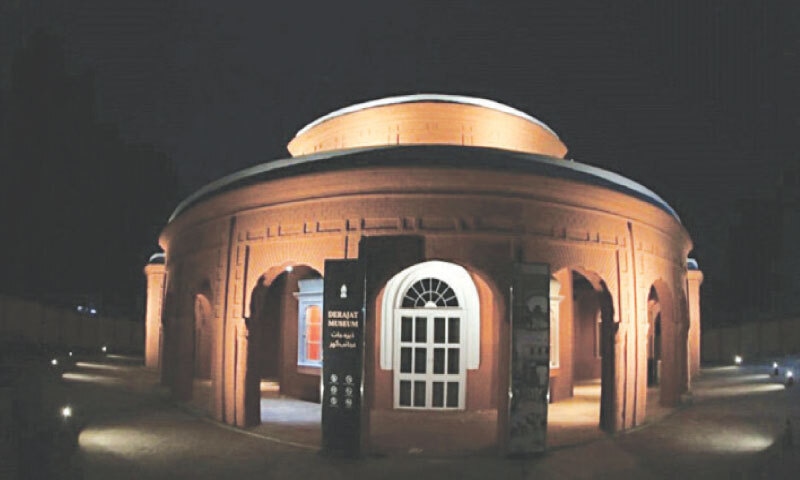

DERA ISMAIL KHAN: The historical Town Hall of Dera Ismail Khan, a landmark built in the classic British colonial architectural style, has been given a new life after a major conservation and restoration effort.
Historical references place the construction of the building at around 1875, making it one of the oldest and most culturally significant heritage structures in the region.
For decades, the Town Hall served as the city’s central space for social, cultural and community gatherings. It also housed a public library that remained an important intellectual hub for many years. With time, however, official neglect caused both the building and the library to fall into severe deterioration.
Recognising its historical value, the provincial government and the Directorate of Archaeology and Museums officially declared the Town Hall a heritage building. Instead of demolishing it, authorities opted for an “adaptive reuse approach.” After careful restoration, the building has been transformed into a modern cultural institution known as the “Derajat Museum.” The inauguration was performed by former chief minister Ali Amin Gandapur.
Galleries display artefacts from Gandhara, Islamic periods
The Derajat Museum now showcases the rich history and cultural identity of the Derajat region and southern Khyber Pakhtunkhwa. Its galleries display artefacts from the Gandhara and Islamic periods, rare coins, inscriptions, pottery and everyday objects from various historical eras that reflect the region’s diverse heritage.
Officials note that one of the most notable features of the museum is that it is the first museum in the country developed through adaptive reuse of a historical building at this level of modern conservation. The museum has been equipped with advanced display cases and gallery systems that match international standards. These specialised glass showcases are considered among the best in Asia and have been used in Pakistan for the very first time.
Member of the National Assembly Faisal Amin Gandapur highlighted the significance of preserving the building. He noted that the structure had been suffering from years of neglect, yet its foundation and design were so strong that engineers confirmed it could withstand seismic shocks.
The library has been restored in the adjacent building and is now being developed as a digital library, where all available historical records and documents will be accessible to the public, according to officials.
The revenue records of Mianwali, Dera Ghazi Khan and Bhakkar are also currently preserved in Dera Ismail Khan. Whenever these districts require old records for major forums, especially the Supreme Court, the documents are obtained from Dera Ismail Khan, as all historical records of the Derajat region are kept here.
This entire record is now being digitised. The documents are being scanned and added to a modern archival system to ensure long-term preservation and easy access. Notes and documents belonging to officers from the British era are also being scanned and digitised.
Within this building, a dedicated section is being established for the artists of Dera Ismail Khan. Local artists and artisans will be able to showcase their work here, and the preserved records of former artists will also be available in this space.
With its restoration now complete, the Dera Ismail Khan Town Hall stands once again as a symbol of heritage and learning. The transformation into the Derajat Museum not only safeguards the city’s cultural memory but also creates a vibrant space for history, research and public engagement.
Published in Dawn, November 27th, 2025