South Asian states weigh prospects as US, India mull trade deal


 7
7
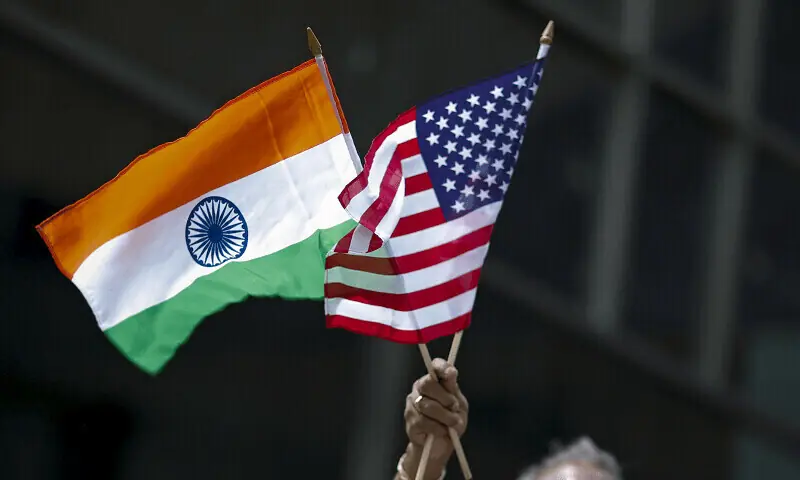

WASHINGTON: Pakistan and other South Asian nations are closely watching the impending US-India trade deal, now in its final stages, to assess how it may shape Washington’s broader trade engagement with the region, diplomatic sources told Dawn.
US and Indian officials have signalled that the agreement is expected to be concluded by the end of November, clearing the way for their bilateral trade to reach an intended $500 billion by 2030.
“Pakistan and other South Asian nations are hoping the agreement will also encourage the United States to expand trade with the rest of the region,” one diplomatic source said. “They are looking for even-handed treatment for all.”
According to sources, these regional considerations are among the factors delaying the announcement of a joint US-Pakistan statement on bilateral trade. Diplomatic sources said Pakistan’s talks with the office of the US Trade Representative are ongoing, as both sides work to finalise various points.
Pakistani officials are keen to understand how they could benefit from provisions like reduce tariffs on goods produced with raw materials sourced from the United States, such as fabrics made from US cotton.
Pakistan closely watching implications of the impending agreement
“But now, Pakistanis are no longer pushing for an immediate announcement. Instead, they are waiting for the US-India deal to be finalised,” one source said.
When Finance Minister Muhammad Aurangzeb last visited Washington in October to attend the annual meetings of the IMF and World Bank, Pakistani officials told reporters that the statement would be announced “in weeks, if not days”.
The US-Pakistan trade deal, agreed in principle in July 2025, came into effect on Aug 7. It features reciprocal tariff reductions, particularly benefiting Pakistani exports such as textiles, leather goods, surgical instruments, and agricultural products, while Pakistan rolled back its digital services tax.
Earlier, on Aug 1, Pakistan announced that the US had imposed a 19 per cent tariff on its exports — a reduction from the 29pc rate announced by President Donald Trump in April.
The revised rate was described by Islamabad as a “balanced and forward-looking step” aimed at enhancing Pakistan’s competitiveness in the American market.
In contrast, India initially faced a 26pc “reciprocal” tariff on April 9, which was later raised to 50pc by an executive order on Aug 6, effective since Aug 27, citing India’s purchases of Russian oil.
The Peterson Institute for International Economics (PIIE) in Washington cautions that the 2025 reciprocal tariffs may reduce both US and global economic growth while boosting inflation in affected economies. The tariffs disproportionately penalise countries relying on global value chains, as duties are applied to gross export value, including imported inputs.
Another Washington think-tank, CSIS, notes that the “reciprocal” label is misleading: the rates are calculated via a formula based on the US trade deficit with each country, resulting in rates as high as 50pc, far exceeding simple tit-for-tat adjustments.
Published in Dawn, November 24th, 2025