Japan set to restart world’s biggest nuclear plant: reports
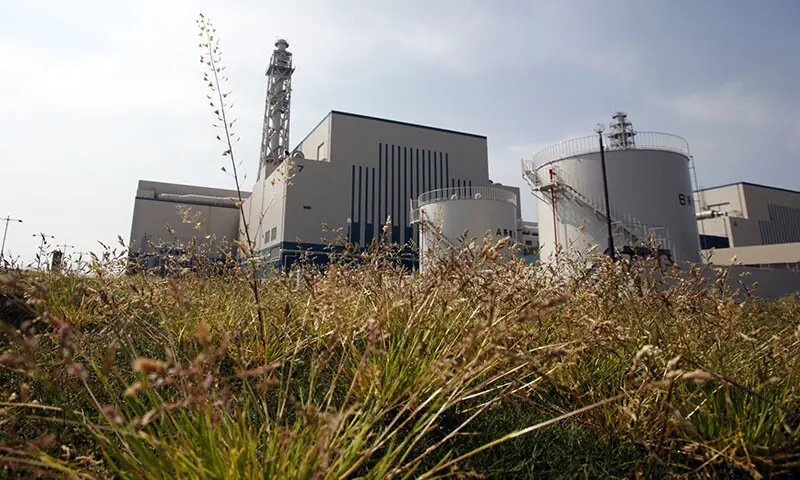

Japan is set to give the green light this week to restart the world’s biggest nuclear plant, local media reported on Wednesday.
The resource-poor country pulled the plug on nuclear power after the 2011 Fukushima disaster, but it wants to revive atomic energy and reduce its dependence on imported fossil fuels.
The Kashiwazaki-Kariwa nuclear plant is expected to get approval this week from the local governor to resume operations, according to Kyodo News and the Nikkei business daily, citing unnamed sources.
Hideyo Hanazumi, governor of central Niigata province, where the plant is located, is expected to hold a news conference on Friday, the reports said. Of the seven reactors at Kashiwazaki-Kariwa, only one will resume functioning.
After the 2011 tsunami and meltdown at the Fukushima Daiichi nuclear plant, Japan shut down all of its nuclear reactors, with the public voicing unease about the energy source.
A total of 14 reactors — mostly in western and southern regions — have since resumed operation after strict safety standards were imposed. This will be the first restart of a nuclear plant for Fukushima operator Tepco after the disaster, if approved.
The government has continued to back nuclear power as a reliable and clean source of energy that Japan needs as it aims to achieve carbon neutrality by 2050.
In July, power company Kansai Electric said it was taking an initial step towards building the nation’s first new nuclear reactor since the Fukushima disaster. Japan still faces the daunting task of decommissioning the Fukushima plant, which is expected to take decades.
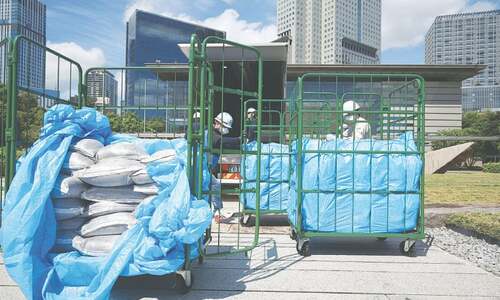
In August, Japanese technicians sent in remote-controlled robots to one of the damaged reactor buildings as part of preparations to remove radioactive debris.
Dangerously high radiation levels mean that removing melted fuel and other debris from the plant is seen as the toughest challenge in the decades-long decommissioning project.