Pakistan, WHO partner to draft action plan for child safety
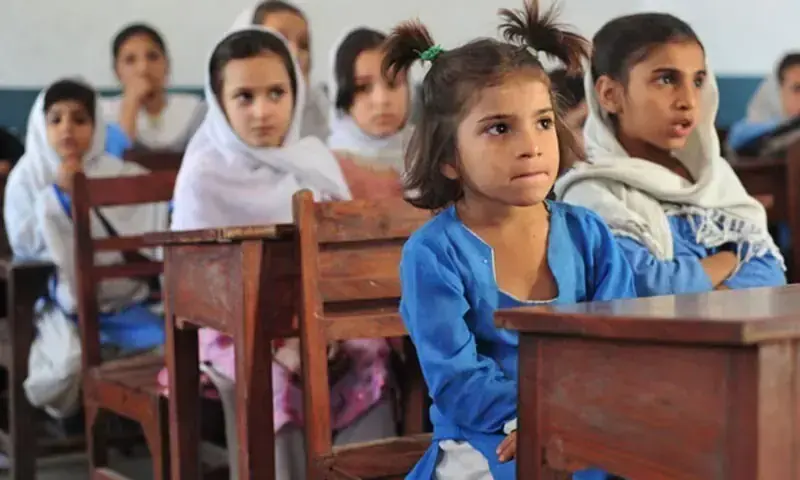


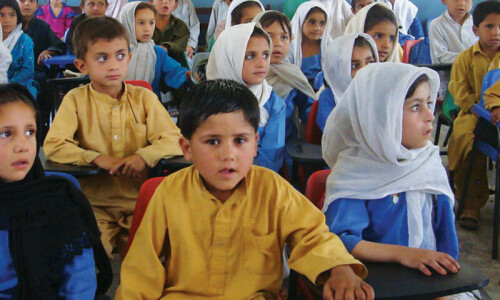
ISLAMABAD: The World Health Organisation (WHO) and Ministry of Human Rights have launched consultations to prepare a national Strategic Action Plan on Violence Against Children, aiming to strengthen prevention and protect the country’s 112 million children.
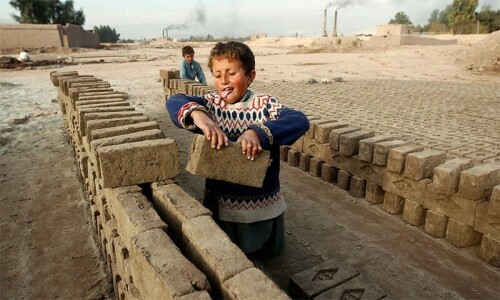
The initiative addresses multiple forms of violence against children in Pakistan, including killings, physical and sexual violence, psychological abuse, and neglect. The plan comes as the country faces challenges where only one in three children under five is registered at birth and over 12.5 million are involved in child labour.
The consultations, which included experts, partners, participants from all provinces and self-governed areas, began in Karachi last week and concluded in Islamabad.
The new strategy will be grounded in the principles of the UN Convention on the Rights of the Child and the INSPIRE framework, an evidence-based package developed by international agencies under WHO’s leadership.
According to a WHO statement, the framework outlines seven strategies focused on laws, norms, safe environments, caregiver support, financial stability, response services, and life skills, which have proven effective in reducing violence against children.
Consultations underway to protect 112m minors against various abuses
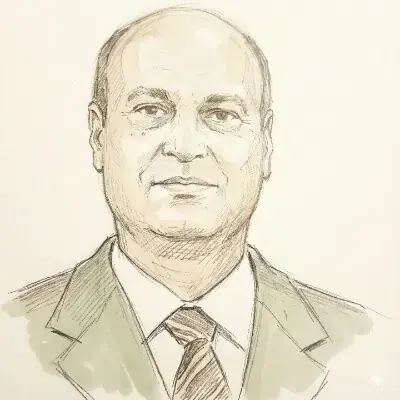
“We recognise that fragmented efforts must now evolve into a cohesive, national, multi-sectoral strategy, one that mobilises education, health, law enforcement, and community systems together,” Federal Secretary for the Ministry of Human Rights Abdul Khalique Shaikh said. “The strategy will provide that unified vision, with measurable targets, clear institutional responsibilities, and a robust monitoring and evaluation framework.”
The lack of birth registration creates significant gaps in protection, leaving many children vulnerable. Displaced, migrant and those in poor urban settlements face high risks of exploitation, early marriage, trafficking and child labour.
Published in Dawn, November 16th, 2025