Disasters inflict $3.26tr blow on global agriculture: FAO


 0
0

• Asia suffered 47pc of total losses over 33 years
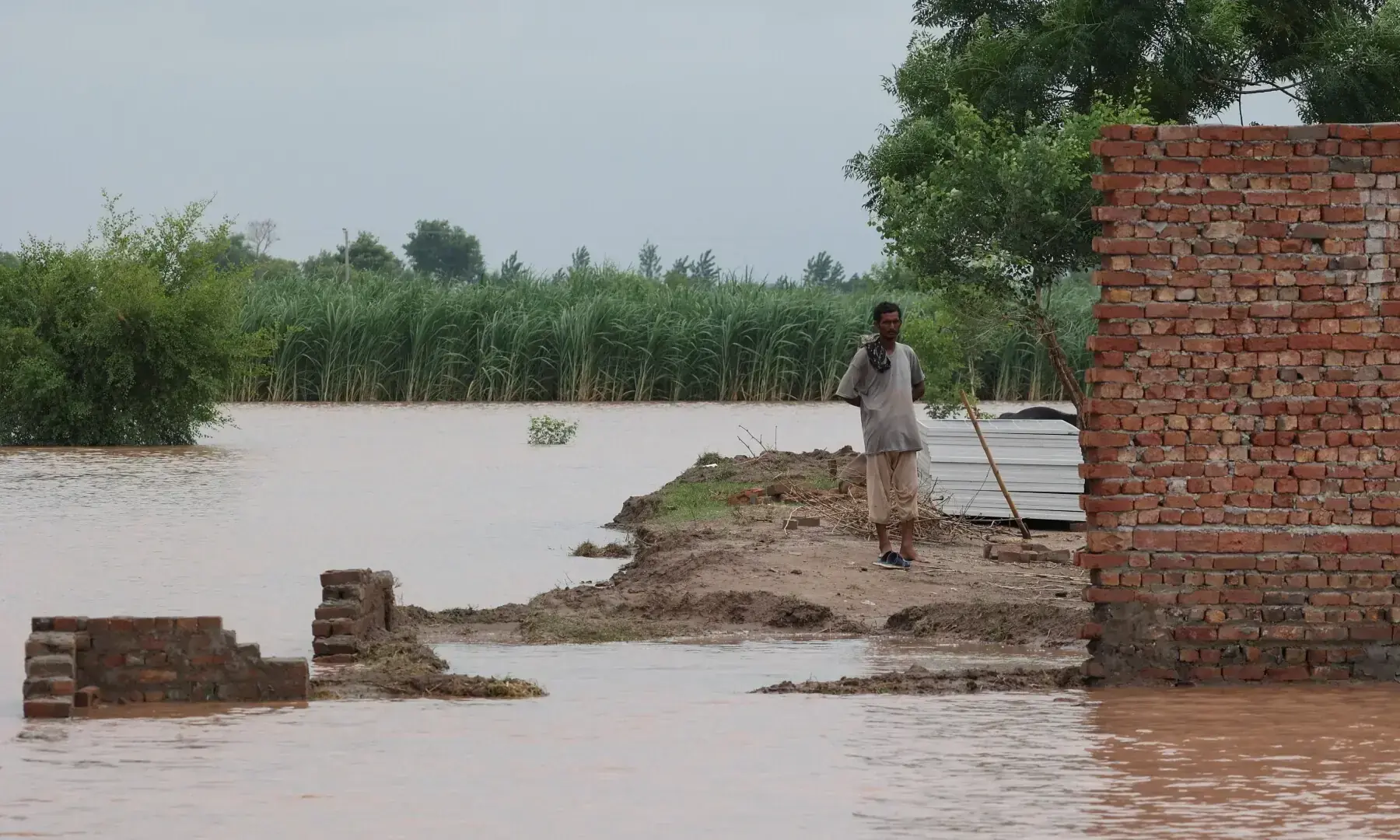
• Floods in Pakistan affected 9m people, destroyed crops on large scale
ISLAMABAD: Disasters have caused an estimated $3.26 trillion in agricultural losses worldwide over the past 33 years — an average of $99 billion annually, or roughly four per cent of global agricultural GDP — according to a new report released by the Food and Agriculture Organisation of the United Nations (FAO) on Friday.
The report, titled Impact of Disasters on Agriculture and Food Security 2025, highlights how digital technologies are transforming the way farmers, governments and communities monitor risks, anticipate impacts and protect livelihoods.
“The global agricultural sector stands at a critical juncture, facing an unprecedented convergence of disasters, while simultaneously witnessing remarkable advances in digital technologies that offer new possibilities for understanding, predicting and managing disaster risks,” it added.
Between 1991 and 2023, disasters wiped out 4.6bn tonnes of cereals, 2.8bn tonnes of fruits and vegetables, and 900m tonnes of meat and dairy. These losses translate to a daily per capita reduction of 320 kilocalories — 13-16pc of average energy needs, the report estimated.
The FAO report said Asia accounts for the largest share of global losses of 47pc, totaling $1.53tr, reflecting both the scale of agricultural production and the region’s high exposure to floods, storms and droughts.
In Pakistan, monsoon floods affected over 9m people and destroyed 849,000 hectares of crops, coming just one year after the catastrophic 2022 floods from which the country is still recovering. The consecutive flooding events have fundamentally altered Pakistan’s agricultural landscape, with soil erosion, salinisation and infrastructure destruction creating long-term challenges for agricultural recovery.
The report identified digital transformation as a game-changer for agricultural disaster risk reduction. Emerging tools such as artificial intelligence (AI), remote sensing, mobile connectivity, drones and sensors are now enabling hyperlocal, real-time insights that improve early warning, advisory services, risk transfer mechanisms and anticipatory action.
“Digital technologies are already revolutionising how we monitor risks, deliver early warnings and support farmers’ decision-making. From the 9.1m farmers now accessing parametric insurance through digital platforms to the communities using our early warning systems to evacuate 90pc of at-risk populations before disasters strike, we are witnessing a fundamental shift from reactive response to proactive risk reduction,” said FAO Director General QU Dongyu.
Losses in production resulting from disasters correspond to a reduced availability of 320 kcal per person per day globally, with iron losses corresponding to 60pc of requirements for men and critical shortfalls in essential vitamins and minerals that have the potential to disproportionately affect vulnerable populations.
According to the report, disaster impacts on agriculture extend far beyond immediate production losses to include infrastructure damage, market disruptions, financial system failures and ecosystem service degradation that can persist for years after initial events. Current assessment tools must be extended to systematically capture both direct and indirect impacts and take into consideration non-economic values, differentiated effects on vulnerable groups, biodiversity losses and long-term ecosystem disruptions, it said.
Marine heatwaves alone are estimated to have caused $6.6bn in fisheries losses (1985-2022), with 15pc of global fisheries affected and production losses exceeding 5.6m tonnes, demonstrating the severe yet largely unmeasured impacts on aquatic food systems.
Published in Dawn, November 15th, 2025