Disagreements stall democratic reform plan in Bangladesh


 1
1

• Khaleda Zia to contest elections
• Music teacher plan scrapped after Jamaat anger
DHAKA: Disagreements between Bangladeshi politicians have stalled a key democratic reform plan, the interim government said on Monday, giving parties a week to reach consensus or face unilateral action.
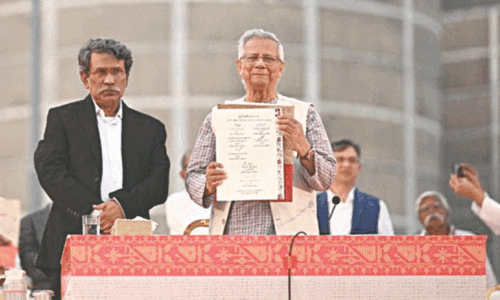
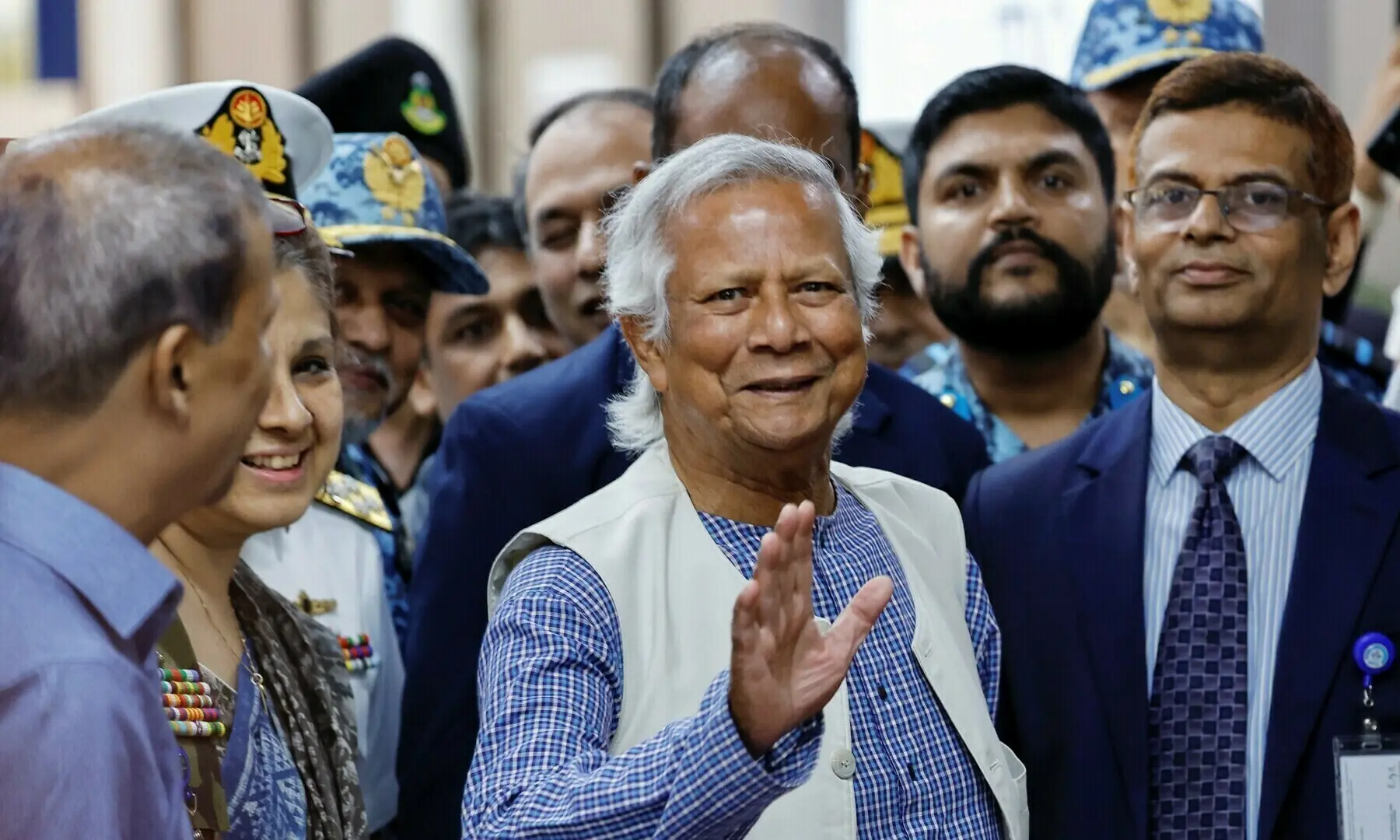
Nobel Peace Prize winner Muhammad Yunus, who leads the government as “chief adviser”, said he had inherited a “completely broken down” political system after taking over following an uprising last year. Yunus has argued that the reform charter, which he has championed as the cornerstone of his legacy, is vital to prevent a return to authoritarian rule.
Key parties signed the document at a ceremony in October, but some said it must be ratified by a referendum. Asif Nazrul, who holds the law portfolio in the interim government, told reporters that “despite holding discussions for a long time, political parties still have unresolved issues of disagreement”. He cited disagreements on “the timetable of the referendum and the topics to be included”.
The “July Charter”, named after the revolt, has become a flashpoint between parties vying for power ahead of national elections expected in February 2026. Yunus, who has pledged to step down after elections, says the reform plan will strengthen checks and balances between the executive, judicial and legislative branches. It proposes a two-term limit for prime ministers and expanded presidential powers.
“We urge the political parties to come up with a united position on the referendum at the earliest — preferably within a week,” Nazrul said.
“Otherwise, the government will act independently.” Salahuddin Ahmed, a senior leader of the Bangladesh Nationalist Party (BNP), suggested the decision was not up to the interim government. “I have never seen a referee try to score a goal”, he said.
Leaders of the BNP — seen as among the election front-runners — as well as Jamaat-e-Islami signed the charter.
Khaleda to contest elections
Former Bangladeshi prime minister Khaleda Zia will contest elections expected in February, her influential political party said on Monday. The 80-year-old has been a dominant figure for decades in the country’s turbulent power struggles.
Her participation was announced by Mirza Fakhrul Islam Alamgir, a senior BNP leader, who said she will contest in three constituencies. The uncompromising leader has been in poor health following years of imprisonment under her arch-enemy Sheikh Hasina, who was overthrown in a mass uprising in August 2024.
Her son, Tarique Rahman, 59, who has been in Britain since 2008, will also run, Alamgir told reporters.
Rahman, known in Bangladesh as Tarique Zia, has lived in London since 2008, saying he fled politically-motivated persecution. He is yet to return to Bangladesh.
Music teacher plan
Bangladesh has cancelled plans to hire music teachers for primary schools, a government official said on Monday. In August, the ministry overseeing primary education issued a circular announcing the recruitment of music teachers — a decision that the interim government has now reversed.
“The government has scrapped the decision and issued an order”, a senior ministry official said. “Both the music and physical education posts have now been dropped,” said the official.
The reversal follows strong protests from Bangladesh’s largest religious political party, Jamaat-i-Islami, and other organisations that oppose the inclusion of music in school curricula.
Published in Dawn, November 4th, 2025