ISLAMABAD: Participants of a session have agreed that Pakistan’s existing curriculum faces serious structural and pedagogical gaps.
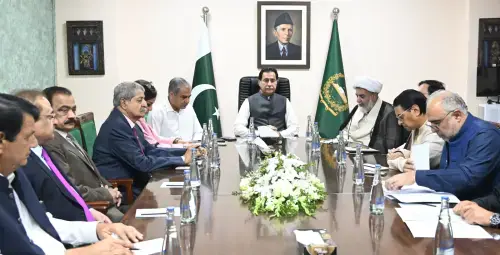
The Pakistan Institute of Development Economics (PIDE) and the Pakistan Institute of Education (PIE) convened a brainstorming session to deliberate on one of Pakistan’s most pressing educational challenges — the urgent need to reform the national curriculum to make it more inclusive, coherent, and relevant to learners’ needs, says a press release.
It said the session, attended by senior education experts, researchers and policymakers, served as a platform for evidence-based dialogue on the current shortcomings of the national curriculum and possible pathways for improvement.
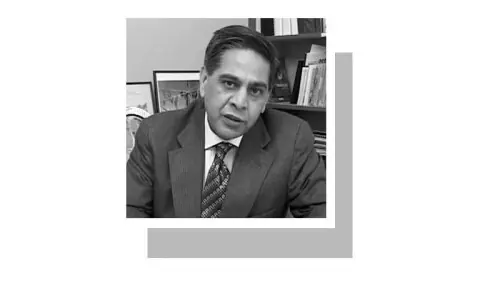
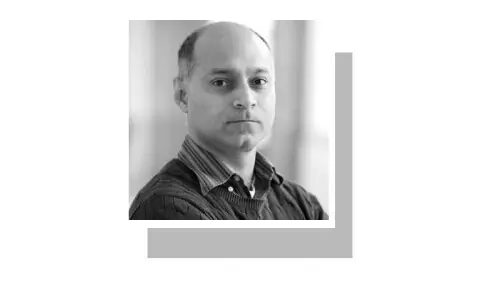
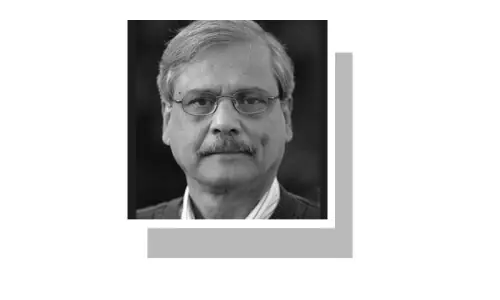
PIDE Vice Chancellor Dr Nadeem Javaid and PIE Director General Dr Shahid Soroya represented their respective institutions and led the discussion on aligning education policy with on-ground realities and learning outcomes.
Participants agreed that Pakistan’s existing curriculum faced serious structural and pedagogical gaps.
“Feedback from teachers and educationists has highlighted content overload, unrealistic learning targets and weak contextual alignment with students’ environments, particularly in government and low-cost private schools.
Many classrooms across the country lack the necessary resources, teacher training, and infrastructure to deliver the curriculum effectively, resulting in rote-based learning rather than critical and creative thinking,” the press release said.
On the other hand, elite schools with better facilities, digital tools and trained staff can implement the curriculum more successfully, further widening the learning and opportunity divide between privileged and under-resourced learners.
Dr Nadeem Javaid said Pakistan could not continue with a one-size-fits-all approach in education, emphasising that the curriculum must reflect the diversity of learners, the socio-economic realities of different regions and the future skills required in a changing world.
The session also reflected on the post-18th Amendment scenario, which devolved education and curriculum development to the provinces.
While devolution has enabled provinces to tailor education policies according to local needs, it has also created challenges of fragmentation, inconsistency, and lack of national comparability.
Dr Shahid Saroya highlighted that the goal is not uniformity but coherence, underscoring the need for a shared national vision that allows flexibility for provincial adaptation while ensuring equity and quality across Pakistan.
To address these challenges, the session discussed the need for a measured, participatory and technically sound strategy. The proposal centres on two core instruments: a National Policy Framework for Curriculum Development and Review and Minimum Standards for Curriculum Content and Learning Outcomes.
The participants agreed that curriculum reform must be driven by data, evidence and inclusive dialogue among key stakeholders.
Institutions such as PIDE and PIE have a central role to play.
Published in Dawn, November 3rd, 2025