0
0

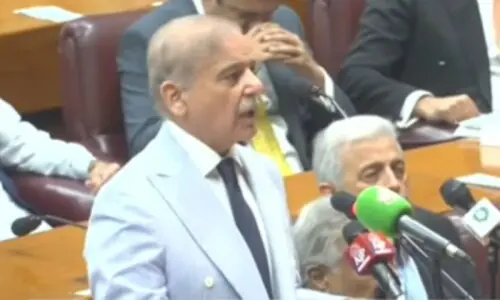
ISLAMABAD: Prime Minister Shehbaz Sharif on Thursday ordered a forensic audit of the Pakistan Revenue Automation Ltd (PRAL) system to identify institutions, companies and individuals involved in sales tax fraud.
Chairing a meeting on a Joint Investigation Team (JIT) report into a major fraud uncovered at PRAL in November 2024, the prime minister was briefed by JIT Chairman Dr Musadik Malik on system vulnerabilities allegedly exploited to facilitate the scam.
The JIT was constituted shortly after the fraud was detected and has since submitted its recommendations to the prime minister.
PRAL provides information technology and automation solutions to support the country’s tax and revenue agencies, primarily working with the Federal Board of Revenue (FBR). Established in 1994, PRAL focuses on streamlining tax processes by developing software, managing data centres and creating e-payment and other digital services for taxpayers.
The report pinpointed specific grey areas in the digital infrastructure that lacked sufficient oversight and safeguards, underscoring the need for urgent corrective measures.
Investigative committee tasked with submitting report in three weeks
In recognition of his role in exposing the attempted tax fraud, PM Shehbaz awarded a cash prize of Rs5 million to FBR officer Ejaz Hussain.
An official announcement issued by the Prime Minister’s Secretariat said that he expressed strong displeasure over past incidents of tax fraud. He instructed that a forensic audit of the PRAL system be conducted by an international consultancy firm. The investigative committee has been tasked with submitting its report within three weeks.
PM Shehbaz also directed strict legal action against those identified in the forthcoming report.
The meeting also reviewed the ongoing reforms within the FBR, with a particular focus on PRAL’s digital infrastructure. The meeting was briefed on the measures taken so far in the PRAL.
Officials briefed the premier on key digital security upgrades already implemented at PRAL, including the Audit Vault, Database Protection Wall, Security Operations Centre, continuous monitoring protocols and other digital safeguards.
These measures aim to enhance data security and prevent tax fraud. The system can now log user IP addresses for any data alteration, significantly reducing the risk of manipulation.
A fact-finding committee, formed to investigate the sales tax fraud that began in 2018-19, had submitted its findings. The committee attributed the fraud to PRAL’s outdated digital infrastructure.
It was told that the prime minister had previously taken notice of the issue and ordered the formation of the committee. The briefing emphasised that the fraud stemmed from PRAL’s obsolete system, lack of monitoring mechanisms and an unsecured database.
The prime minister expressed strong displeasure over past lapses and emphasised the urgency of corrective reforms. He also instructed that strict legal action be taken against those found guilty in the upcoming report. During the briefing, PM Shehbaz was informed about FBR’s participation in the annual World Bank conference held in Washington, where the institution’s reform case study received notable appreciation. Commending the team, the prime minister lauded FBR’s efforts in advancing transparency and modernisation.
The meeting was apprised that multiple reforms have already been implemented as part of a modernisation initiative to address these vulnerabilities.
Published in Dawn, October 31st, 2025