Experts call for renewed efforts to tackle key challenges in fight against polio
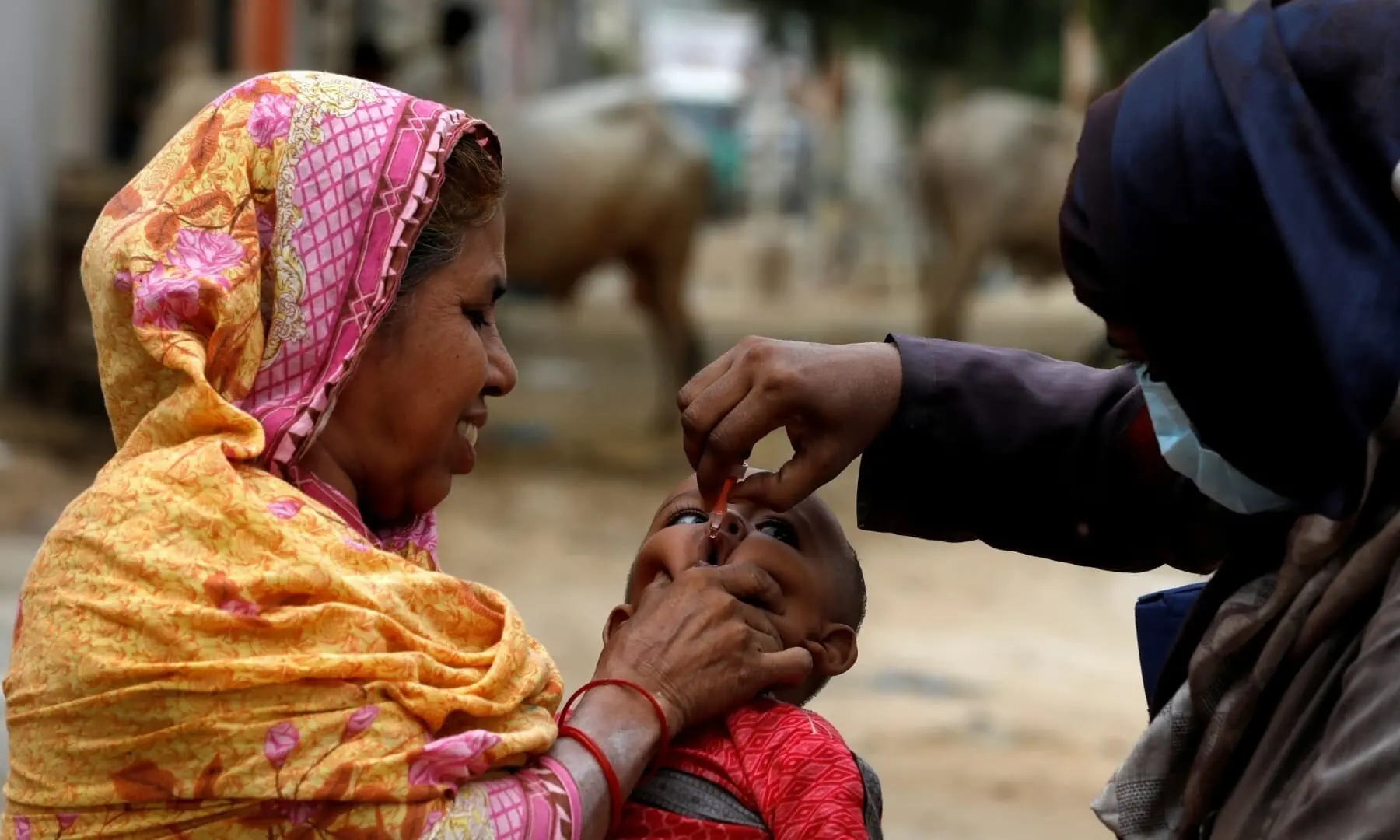
KARACHI: As the government acknowledged the services of polio workers at a programme held on Friday in connection with World Polio Day, experts underscored the need for renewed efforts to tackle the key challenges hampering progress in the fight against the crippling disease.
They identified the persistent circulation of the virus in the environment, vaccine hesitancy, security concerns and operational gaps as the four key challenges.
Speaking at a programme organised by the Emergency Operations Centre (EOC) for Polio Eradication at the Jinnah Postgraduate Medical Centre, provincial health minister Dr Azra Fazal Pechuho paid rich tributes to everyone engaged in the fight against polio, including deputy commissioners and district health officers, describing them as “real heroes”.
“If the same level of commitment and cooperation continues, we will, God willing, make Sindh a polio-free province by 2026,” she said, adding that polio workers served humanity selflessly, often at a great personal risk.
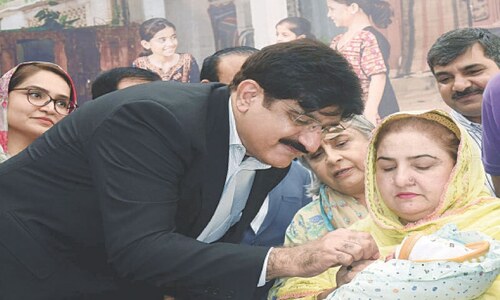
Murad, health minister, Karachi mayor pay rich tribute to vaccinators on World Polio Day
“These workers are true heroes who continue their tireless efforts, going door-to-door to administer oral polio drops to children despite challenging circumstances,” she said, adding that the number of polio cases had dropped in Sindh due to their efforts.
The minister appealed to parents to ensure that their children were immunised against the illness. “Children with weaker immunity are more vulnerable to the virus. (But) Parents must understand that even apparently healthy children can be affected,” she said, emphasising that protecting every child against the illness was important for the complete eradication of the disease.
Dr Pechuho also reaffirmed the government’s commitment to the cause and stressed that the eradication of the highly contagious viral infection was a national responsibility.
The event concluded with a tableau performance by children, followed by the distribution of certificates to outstanding workers.
Officials in attendance included Secretary Health Rehan Baloch, Provincial EOC Coordinator Irshad Sodhar, Chairman Polio Plus Committee Aziz Memon and representatives of the World Health Organisation (WHO) and United Nations International Children’s Emergency Fund.
Meanwhile, experts associated with the Pakistan Medical Association (PMA) underscored the need for making a real assessment of nationwide polio efforts, focusing on the barriers that hamper progress.
“We must ask why polio couldn’t be eradicated from Pakistan. The answer lies in a complex interplay of challenges,” said Dr Abdul Ghafoor Shoro, secretary general of the PMA, pointing out that pockets of the virus remained, especially in Khyber Pakhtunkhwa and Sindh, despite massive multiple vaccination exercises.
“Misconceptions and general mistrust in government initiatives continue to fuel vaccine refusals, leaving children unprotected while polio workers and their security personnel continue to be targeted, hampering immunisation efforts in volatile regions.”
Difficulties in reaching mobile populations, managing cross-border movement with Afghanistan (the other endemic country), and strengthening routine immunisation services contributed to immunity gaps, he added.
About suggestions to make the country polio-free, he said the efforts must include public awareness exercises through trusted community and religious leaders to combat false narratives and build public confidence in the vaccine.
“Besides, we need to integrate polio vaccination efforts with the broader Expanded Programme on Immunisation. There should be strict accountability for operational failures, low coverage, and persistent virus detections in specific areas.”
Also on Friday, Sindh Chief Minister Murad Ali Shah reaffirmed the government’s commitment to eradicating polio, urging parents to ensure their children receive vaccination drops during every campaign.
In their separate messages on World Polio Day, the CM and Mayor Barrister Murtaza Wahab praised polio workers for their tireless efforts in reaching every household, calling them “national heroes” safeguarding the future of children.
They appealed to citizens not to fall prey to misinformation and negative propaganda about the vaccine and fully cooperate with vaccination teams to ensure no child is left unprotected.
Published in Dawn, October 25th, 2025