ISLAMABAD: The Islamabad High Court (IHC) on Tuesday directed the Capital Development Authority (CDA) to decide within a month on the petitions filed by affected villagers of Shah Allah Ditta and Sector C-13, while rejecting a miscellaneous plea seeking to halt the transfer of the CDA deputy commissioner.
Justice Mohsin Akhtar Kayani, who heard the case, expressed strong displeasure over the lawyer’s request to stop the transfer of the officer concerned until the final decision, observing that “it is not the court’s job to recommend or retain officers.”
“You are recommending an officer to the court? The court has no sympathy for any officer. If someone is going on deputation, let him go. Whoever wants to work, let him work; whoever doesn’t, let him go home,” Justice Kayani remarked during the hearing.
He further reprimanded the petitioner’s counsel, asking whether he had appeared in court “to pursue his own case or to save an officer’s job.” The judge made it clear that public officers are not indispensable and that the court would not interfere in administrative transfers.
Rejecting the miscellaneous petitions related to the officer’s transfer, Justice Kayani directed the CDA to resolve the grievances of Sector C-13 victims within one month and submit a compliance report.
The hearing was subsequently adjourned until next month.
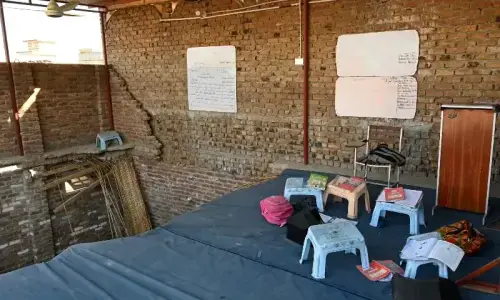
The petitions concern long-pending development and land compensation issues in Shah Allah Ditta and C-13 — areas that fall under the CDA’s delayed sectoral expansion plans. Victims have long complained of bureaucratic delays and poor compensation mechanisms, while development work in adjoining sectors has also faced persistent hurdles.
The case comes at a time when the federal government has directed the CDA to speed up stalled development projects in Islamabad’s new residential sectors.
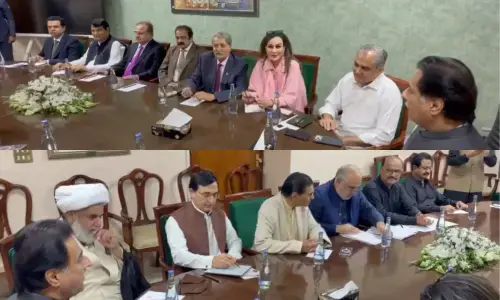
In a meeting chaired by Interior Minister Mohsin Naqvi at the CDA Headquarters in August, officials were ordered to expedite work in five new sectors, including C-14, C-15, C-16, E-12, and I-12.
Reportedly, substantial development work has already been completed in C-14, C-15, and I-12, and with “a little push,” these sectors could be finished within months. However, land possession disputes and adverse occupation continue to delay progress in E-12 and C-16.
Sector E-12, launched in 1989, remains a symbol of CDA’s inefficiency, as thousands of allottees are still awaiting possession of developed plots after nearly 36 years.
Many of the original allottees have passed away, leaving their families still waiting for the delivery of land.
The minister reportedly expressed dissatisfaction over CDA’s performance in sector development and instructed the authority to clear all pending built-up property cases in C-15 within 15 days and resolve remaining land disputes.
He also reviewed other key projects, including the Faizabad Interchange redesign, beautification of Daman-e-Koh and the Diplomatic Enclave, and development of five-star hotel plots in Sector F-5 through public-private partnerships.
Justice Kayani’s order to decide the pending petitions of C-13 victims within a month adds further pressure on the CDA, which is already under scrutiny for its sluggish pace of development and bureaucratic inefficiencies that have left several sectors, some dating back decades, incomplete.
Published in Dawn, October 15th, 2025