Deadly surge in police encounters in Punjab alarming: HRCP
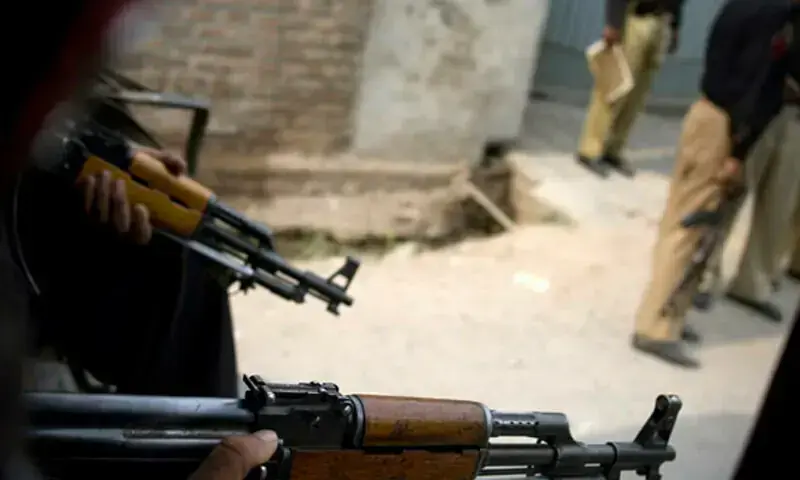
LAHORE: A ‘sharp and deadly’ surge in police encounters across Punjab, predominantly involving a newly-formed special force, has drawn severe criticism from human rights monitors, who allege that extrajudicial killings are being used as a substitute for the criminal justice system.
According to data compiled by the Human Rights Commission of Pakistan (HRCP), the province has witnessed more than 500 alleged encounters since January 2025, resulting in over 670 fatalities — a figure higher than in any other province.
The HRCP, in a statement issued on Monday, expressed deep alarm at the “growing normalisation” of these incidents, a pattern it says has become entrenched since the establishment of the Crime Control Department (CCD) as a special wing of the Punjab Police in February 2025.
“The HRCP is deeply concerned that the CCD, originally intended to curb crime, has evolved into a parallel police force with sweeping powers to register FIRs, detain suspects and carry out lethal operations against hardened criminals,” the commission stated.
CCD rejects allegations of power misuse
The rights body highlighted that this trend undermines the rule of law and constitutional guarantees of due process.
The issue was brought into sharp focus recently with the killing of murder suspect Khawaja Tareef Butt alias Teefi Butt, in Rahim Yar Khan.
Police officials stated that Teefi Butt was killed in an exchange of fire after his accomplices opened fire on a CCD team transporting him from Karachi to Lahore. However, the circumstances surrounding his death have been cited by the HRCP as an example of a “disturbing trend.”
The CCD was launched by the Punjab government with a mandate to tackle organised crime, terrorism, and high-profile criminal gangs. Officials have publicly praised the department for its “successes,” claiming it has significantly reduced street crime and targeted major criminal figures.
However, the mounting death toll has sparked concerns among legal experts and civil society.
Critics argue that the encounters often follow a similar narrative: a suspect is located, they open fire on police, and are subsequently killed in the ensuing shootout, leaving no possibility for arrest, investigation, or trial.
“HRCP stresses that no agency can be above the law: even the most serious offenders are entitled to due process and a fair trial under the Constitution,” the commission’s statement emphasised. It further warned that such practices erode public trust in legal institutions and set a dangerous precedent for state-sanctioned violence.
CCD: Punjab CCD spokesperson issued an official response to the HRCP’s allegations and stated that the department is not the sole institution in the province to have the power to register cases against criminals.
He said that there were other departments, including Anti-Narcotic Force (ANF), Counter Terrorism Department (CTD), Anti-Corruption Department (ATC), Federal Investigation Agency (FIA) which were mandated to register crime cases.
He rejected the allegation of misuse of power and said that the commission merely levelled charges and did not have any evidence of carrying extra-judicial killings.
He said that CCD is a premier investigation agency which operates within the four walls of law and there is zero tolerance against extrajudicial acts, including excessive use of force and even torture.
He said the CCD primarily deals with serious and organised crime and persons involved in such violent crimes are often desperate and resort to violent resistance including firing at police during raids.
He said that officers responsible for raiding and arresting the hardened criminals use only measured and minimum force as a matter of policy and legal requirement and there is not a single complaint of extrajudicial action and torture.
He said that any complaint of torture or excessive use of force is dealt with legally and sternly.
Published in Dawn, October 14th, 2025