France’s new PM Sebastien Lecornu resigns hours after cabinet unveiled, deepening political crisis


 0
0

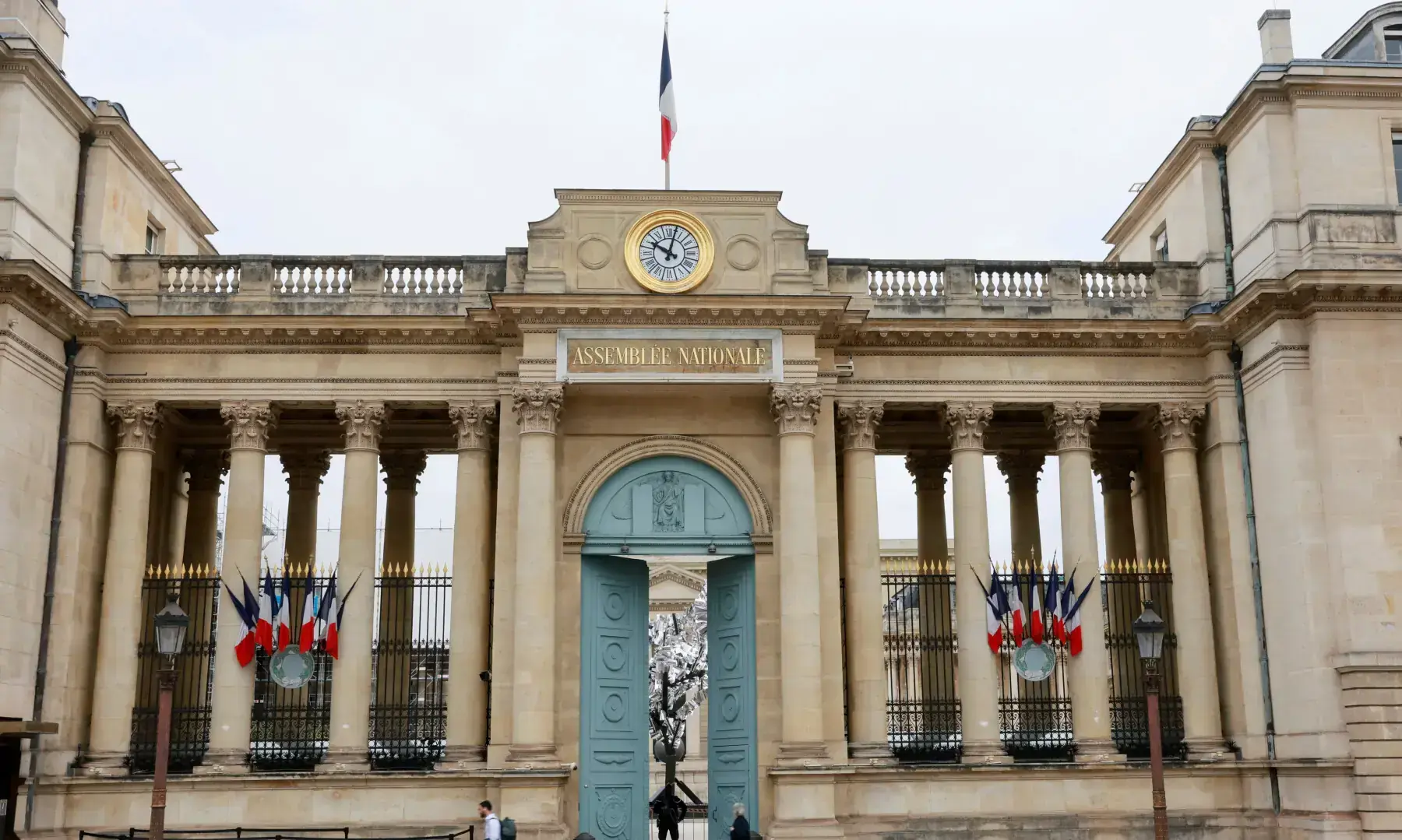

France’s new Prime Minister Sebastien Lecornu resigned on Monday, barely 14 hours after appointing his new cabinet, after allies and foes alike threatened to topple his government, driving French stocks and the euro sharply lower.
His swift resignation was unexpected and unprecedented, and marked another major deepening of France’s political crisis.
The far-right National Rally immediately urged President Emmanuel Macron to call a snap parliamentary election.
After weeks of consultations with political parties across the board, Lecornu, a close ally of Macron, had appointed his ministers on Sunday and they had been set to hold their first meeting on Monday afternoon.
But the new cabinet line-up had angered opponents and allies alike, who either found it too right-wing or not sufficiently so, raising questions on how long it could last, at a time when France is already mired deep in political crisis, with no group holding a majority in a fragmented parliament.
Lecornu handed his resignation to Macron on Monday morning.
“Mr Sebastien Lecornu has submitted the resignation of his Government to the President of the Republic, who has accepted it,” the Elysee’s press office said.
French politics has become increasingly unstable since Macron’s re-election in 2022 for want of any party or grouping holding a parliamentary majority.
The French president’s decision to call a snap parliamentary election last year deepened the crisis by producing an even more fragmented parliament. Macron named Lecornu, a former defence minister, to the post last month and was his fifth prime minister in two years.
“There can be no return to stability without a return to the polls and the dissolution of the National Assembly,” National Rally leader Jordan Bardella said after Lecornu resigned.
Daunting task of finding approval for austerity budget
Lecornu had faced the daunting task of finding approval in a deeply divided parliament for an austerity budget for next year.
His two immediate predecessors, Francois Bayrou and Michel Barnier, were ousted by the legislative chamber in a standoff over the spending plan. France’s public debt has reached a record high, official data showed last week.
Paris’s benchmark CAC 40 index dropped 1.5 per cent as Lecornu resigned, making it the worst-performing index in Europe, as banking shares came under heavy fire, leaving BNP Paribas, Societe Generale and Credit Agricole down 4pc to 5pc.
The euro slid 0.7pc on the day to $1.1665.
France’s debt-to-GDP ratio is now the European Union’s third-highest after Greece and Italy, and is close to twice the 60pc permitted under EU rules.
Previous governments had rammed the last three annual budgets through parliament without a vote, a method allowed by the constitution but deeply criticised by the opposition.
But Lecornu promised last week to ensure lawmakers were able to vote on the bill.
France has been mired in deadlock since Macron gambled on snap parliamentary elections in June last year in the hopes of bolstering his authority. The move backfired, leaving the Macron-friendly bloc in the assembly in a minority.