Karachi records 5th Congo fever death of the year: Sindh health dept


 0
0

A man in Karachi’s Malir area has died of Crimean-Congo haemorrhagic fever (CCHF), raising the city’s death toll from the virus to five this year, the Sindh health department said in a statement on Friday.
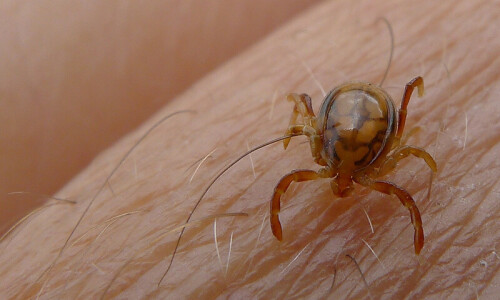
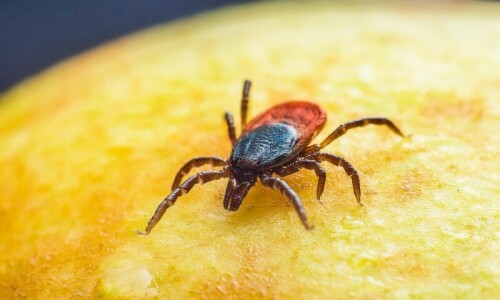
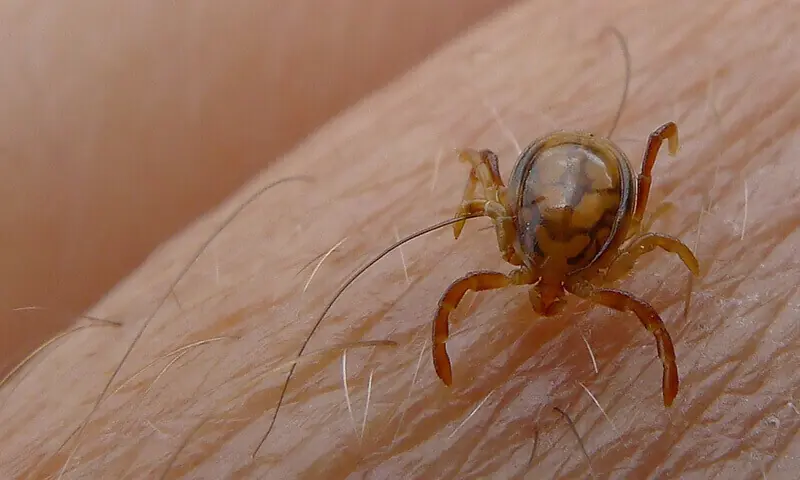
According to the World Health Organisation, the CCHF, commonly known as Congo Virus, causes severe viral hemorrhagic fever outbreaks with a case fatality rate of 10-40 per cent. There is no vaccine available for the disease. Experts say the CCHF virus is primarily transmitted to people either by tick bites or through contact with infected animal blood or tissues during and immediately after slaughter.
As per the statement, a lab report confirmed that a 28-year-old butcher from Karachi’s Landhi area had contracted the disease. He developed symptoms on September 24, was admitted to the hospital the same day, and died within hours of admission.
His symptoms included a high-grade fever, cough, shortness of breath, and bleeding from the mouth and rectum, following which a polymerase chain reaction (PCR) test was carried out, confirming the presence of the virus.
The patient, who was isolated immediately after the test, had a history of animal and tick exposure due to his profession, according to the report.
“The case, reported on September 26, was verified by a surveillance team, which collected details of his contact history and risk factors,” it added.
Sindh Health Department spokesperson Meeran Yousuf told Dawn.com, “The case marked the sixth CCHF-related death in the province this year.”
Earlier, fatalities were recorded on June 17 and 18 in Karachi’s Malir area, on June 30 in Thatta, and on July 17 and August 14, again in Malir.
The disease can spread via human-to-human transmission, from close contact with the blood, secretions, organs or other bodily fluids of infected persons, according to the WHO.
The onset of the symptoms is sudden, with fever, muscle ache, dizziness, neck pain and stiffness, backache, headache, sore eyes, and sensitivity to light.
On June 18, a 22-year-old animal handler from the North Waziristan tribal district died of CCHF at the Hayatabad Medical Complex.
The first case of the disease in Pakistan was reported in 1976 when a surgeon, along with three healthcare providers, died following an infection from a patient.