UN seeks halt to deportations amid Afghan quake relief


 0
0

• Kunar is the worst-hit province; commandos sent to look for survivors
• WFP says it has supplies, funds for only four weeks
KABUL/GENEVA: Afghanistan airdropped commandos on Wednesday to pull survivors from the rubble in areas ravaged by earthquakes that have killed more than 1,400 this week, as a United Nations agency warned that food aid for victims would run out soon without urgent funding.
Meanwhile, the UN refugee chief has called on Pakistan to pause its expulsion of Afghan refugees, as returns continued despite the weekend’s deadly quake.
The latest expulsions come as already impoverished Afghanistan responds to a devastating 6.0-magnitude earthquake that wiped out villages along the border that were home to many recently expelled migrants.
More than 1,400 people were killed in the disaster. More than 1.2 million Afghans have been made to leave Pakistan since 2023, including more than 443,000 this year alone, according to the UN.
At the Chaman border crossing, “more than 4,000 people have left ever since the deadline ended”, local administrator Habib Bangulzai told AFP.
In Spin Boldak on the Afghan side, migrant registration official Abdul Latif Hakimi estimated that “250 to 300 families are returning” daily since August 31.
At the Torkham crossing further north, more than 6,300 PoR holders returned on Tuesday alone, according to authorities managing the terminal. They estimated that nearly 63,000 PoR cardholders have entered Afghanistan since April.
Afghan refugees, some awaiting relocation overseas, reported police raids as well as extortion and harassment by authorities in the lead-up to the latest deadline.
Search and rescue
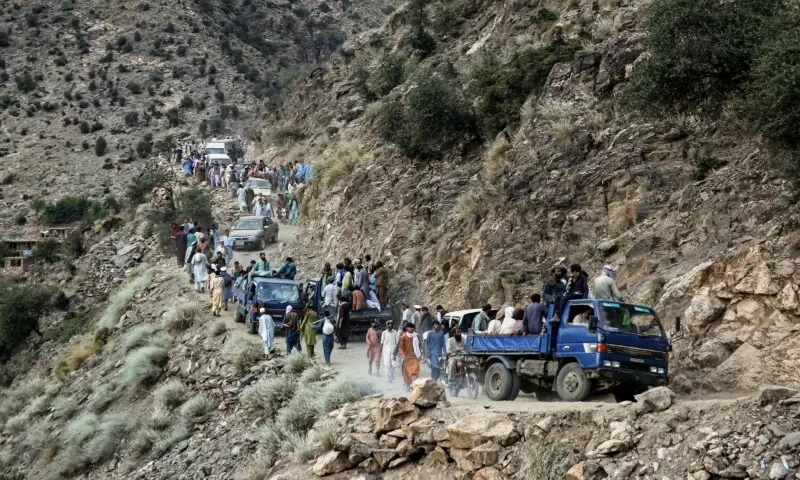
Dozens of commando forces were being airdropped at sites where helicopters cannot land, to help carry the injured to safer ground, in what aid groups said was a race against time to rescue those still stuck under rubble.
Time was also running out for those who survived the two devastating quakes in the remote eastern region of the impoverished country, the World Food Programme (WFP) warned on Wednesday.
John Aylieff, the head of WFP in Afghanistan, told Reuters that the agency only has enough funding and stocks for the next four weeks.
“Four weeks is just not enough even to meet the basic, essential needs of the population struck by the earthquake, let alone put the victims on a path back to rebuilding their lives,” Aylieff said.
The toll stands at 1,457 deaths, 3,394 injuries and more than 6,700 destroyed homes, the Taliban administration said. The UN has said the toll could rise, with people still trapped under rubble.
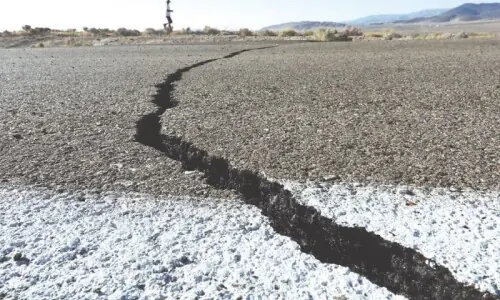
Afghanistan is prone to deadly earthquakes, particularly in the Hindu Kush mountain range, where the Indian and Eurasian tectonic plates meet.
Households wiped out
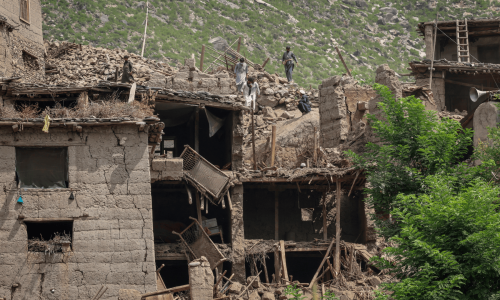
Entire households were wiped out in some villages in Kunar province, where the majority of casualties were reported from, with a dozen dead and hundreds hurt in nearby Nangarhar and Laghman provinces. Survivors sifted through rubble looking for families, carried bodies on woven stretchers and dug graves with pickaxes.
Access remained difficult, as aftershocks caused rockfall, stymying access to already isolated villages and keeping families outdoors for fear of the remains of damaged homes collapsing on them.
Flimsy or poorly-built homes made of dry masonry, stone and timber gave little protection from the quakes, in ground left unstable by days of heavy rain, said the UN Office for the Coordination of Humanitarian Affairs.
Published in Dawn, September 4th, 2025