0
0

A parliamentary committee has expressed concern over the lack of preparedness of Gilgit-Baltistan and AJK governments and their failure to act on early warnings issued by the NDMA.
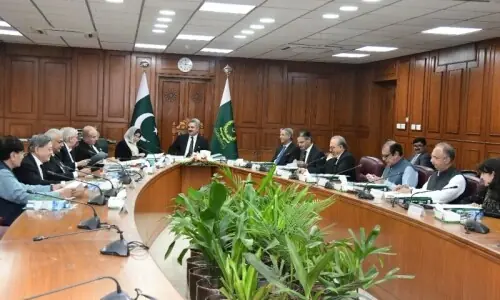
A meeting of the Senate Standing Committee on Kashmir Affairs, Gilgit-Baltistan and States and Frontier Regions, presided over by Senator Asad Qasim at the Parliament House, voiced displeasure over the absence of the GB chief secretary, stressing that the participation of senior officials was vital for effective parliamentary deliberations and meaningful decision-making.
Committee Chairman Asad Qasim observed that despite NDMA alerts, tourists were not restricted from entering vulnerable areas, which was the responsibility of the local administration. He also noted the absence of early warning systems in disaster-prone zones and suggested installing such systems at 100-kilometre intervals across AJK.
Qasim also questioned the accuracy of official data, warning that incomplete surveys and underreporting undermined public trust.
Read more here.