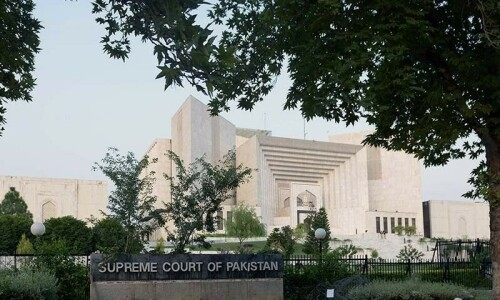
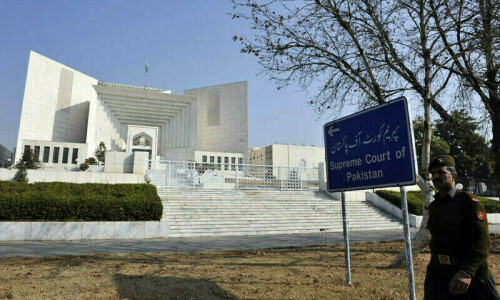
ISLAMABAD: The full Supreme Court will meet on Sept 8 at the start of the new judicial year to review and approve the Supreme Court Rules 2025, which are mired in controversy following objections raised by lawyers.
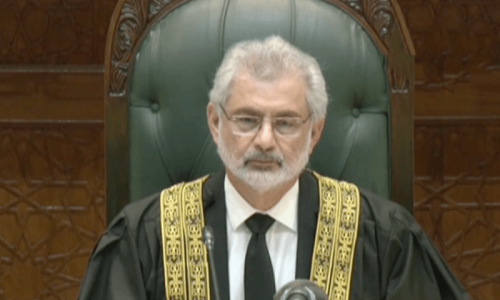
In light of these reservations, Chief Justice Yayha Afridi had also constituted a committee under Rule 1(4) of the new rules to make recommendations for addressing any difficulty that may arise in giving effect to the provisions of these guidelines. The committee comprised Justice Shahid Waheed, Justice Irfan Saadat Khan, Justice Naeem Akhter Afghan, and Justice Aqeel Ahmed Abbasi.
The CJP had also visited the bar room inside the Supreme Court building a few days ago, a source told Dawn. Justice Afridi had assured the bar leaders that their concerns would be allayed soon.
The new rules were formulated to enhance modernisation, ensure procedural clarity, and integrate technology into the justice system. While constituting the committee, the apex court had invited suggestions and feedback from judges, the bar, litigants, and the general public. The written suggestions had been furnished before the committee by the bar leaders.
CJP assures of allaying concerns after raising of court fees, other proposed measures drew flak from lawyers’ bodies
The Supreme Court believed that the new rules were conceived as a living document responsive to the needs of the bench, the bar, and the litigants in light of the emerging legal and technological developments.
The rules, which also raised the court fee, had invited criticism from the Supreme Court Bar Association President Mian M Rauf Atta, who had urged the apex court to withdraw the recent increase in the court filing fee to restore public confidence and uphold the constitutional promise of speedy, inexpensive, and unobstructed justice. According to him, the new rules were introduced without prior and meaningful consultation with the premier legal body.
Likewise, the Executive Committee of the Pakistan Bar Council (PBC) in its meeting of Aug 23 had disapproved the recent amendments, replacing the Supreme Court Rules 1980 with the Supreme Court Rules 2025.
Presided over by its chairman Yasin Azad, the executive committee had also regretted that the Supreme Court did not consult or take on board the council regarding the increase in court fees and demanded immediate withdrawal of the said amendment.
Framed under Article 191 of the Constitution, the new rules replaced the outdated provisions and consist of seven parts, 38 orders, and six schedules, with approximately 280 provisions amended (including 160 from the Schedules), 60 new provisions added, and five outdated provisions deleted.
The key highlights of the rules included digital transition and technological criteria suggesting all petitions and paper books be filed electronically; digital issuance of notices, orders, and certified copies while permitting pleadings and hearings through video-link; affidavits may be authenticated by apostille; parties and advocates must provide updated phone numbers, email addresses, and digital app details; and that judicial documents sent via post will not be entertained.
Published in Dawn, August 29th, 2025