Water shortages plague Beirut as low rainfall compounds woes
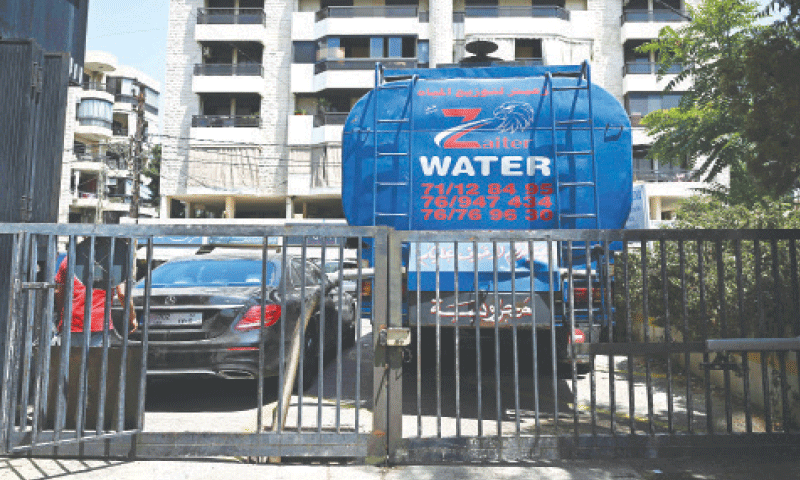
BEIRUT: People are buying water by the truckload in Beirut as the state supply faces its worst shortages in years, with the leaky public sector struggling after record-low rainfall and local wells running dry.
“State water used to come every other day, now it’s every three days,” said Rima al-Sabaa, 50, rinsing dishes carefully in Burj al-Baranjeh, in Beirut’s southern suburbs.
Even when the state water is flowing, she noted, very little trickles into her family’s holding tank. Once that runs out, they have to buy trucked-in water — pumped from private springs and wells — but it costs more than $5 for 1,000 litres and lasts just a few days, and its brackishness makes everything rust. In some areas, the price can be twice as high.
Like many Lebanese people, Sabaa, who works assisting the elderly, relies on bottled water for drinking. But in a country grappling with a yearslong economic crisis and still reeling from a recent war between Israel and Hezbollah, the costs add up. “Where am I supposed to get the money from?” she asked. Water shortages have long been the norm for much of Lebanon, which acknowledges only around half the population “has regular and sufficient access to public water services”.
Surface storage options such as dams are inadequate, according to the country’s national water strategy, while half the state supply is considered “non-revenue water” — lost to leakage and illegal connections. This year, low rainfall has made matters even worse.
Mohamad Kanj from the meteorological department said that rainfall for 2024-2025 “is the worst in the 80 years” on record in Lebanon. Climate change is set to exacerbate the county’s water stress, according to the national strategy, while a World Bank statement this year said “climate change may halve (Lebanon’s) dry-season water by 2040”.
Rationing
Energy and Water Minister Joseph Saddi said last week that “the situation is very difficult”. The shortages are felt unevenly across greater Beirut, where tanks clutter rooftops, water trucks clog roads and most people on the ramshackle state grid lack meters.
Last month, the government launched a campaign encouraging water conservation, showing dried or depleted springs and lakes around the country. North of the capital, levels were low in parts of the Dbayeh pumping station that should have been gushing with water.
“I’ve been here for 33 years and this is the worst crisis we’ve had for the amount of water we’re receiving and can pump” to Beirut, said the station’s Zouhair Azzi. Antoine Zoghbi from the Beirut and Mount Lebanon Water Establishment said water rationing in Beirut usually started in October or November, after summer and before the winter rainy season.
But this year it has started months early “because we lack 50 percent of the amount of water” required at some springs, he told AFP last month.
Published in Dawn, August 15th, 2025