Parliamentarians sign declaration to endorse breastfeeding as national priority


 0
0
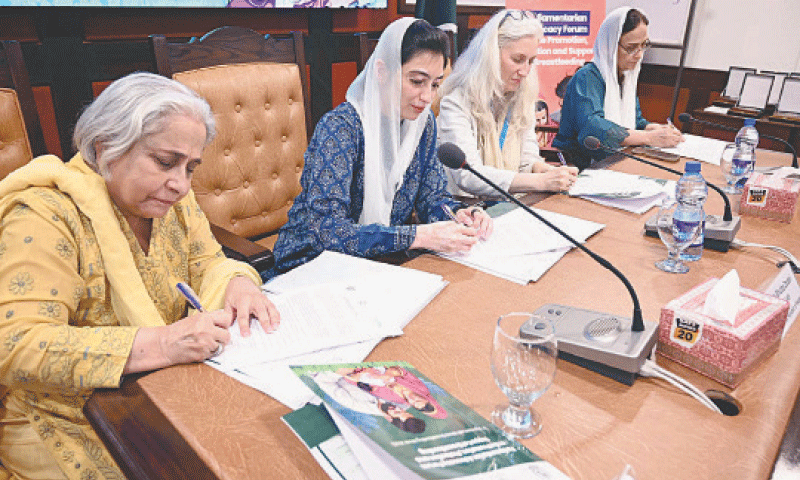

ISLAMABAD: First Lady and MNA Aseefa Bhutto Zardari, Health Minister Sindh, Dr Azra Fazal Pechuho, and parliamentarians from across the political spectrum on Monday signed a joint declaration on gender, breastfeeding, and nutrition in Pakistan, pledging coordinated action to protect child health, empower mothers, and remove systemic barriers to optimal breastfeeding practices.
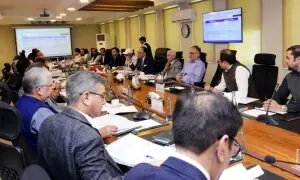
The declaration, endorsed during the Parliamentarian Advocacy Forum on the Prevention, Protection and Support of Breastfeeding — jointly organised by UNICEF and the Women Parliamentary Caucus at the Pakistan Institute for Parliamentary Services (PIPS) — calls for treating breastfeeding as a national investment in health and development.
MNA Aseefa Bhutto Zardari signed the declaration, signalling strong political support for prioritising breastfeeding and maternal nutrition nationally.
It urges strict enforcement of laws regulating the marketing of breastmilk substitutes, integrating breastfeeding promotion into healthcare systems, improving workplace protections for mothers, and engaging communities to shift harmful cultural norms.
Lawmakers call for regulating formula milk, supporting maternal nutrition
The Health Minister Dr Azra Fazal Pechuho, delivering the keynote address, urged parliamentarians from both houses not to allow formula milk to be removed from the jurisdiction of the Drug Regulatory Authority of Pakistan (Drap), stressing that it was a medicine, not food, and must be regulated accordingly.
She highlighted the Sindh Protection and Promotion of Breastfeeding and Young Child Nutrition Act, 2023, saying her government faced enormous pressure from vested interests but did not bow down.
“Even the high court dismissed a petition against this law because the judges understood the importance of breastfeeding,” she said.
Dr Pechuho announced plans to hire lactation counsellors and therapists in Sindh, provide multiple micronutrient supplements to pregnant women, and continue efforts to promote breastfeeding for the health of both infants and mothers.
UNICEF Representative in Pakistan Pernille Ironside called on federal and provincial lawmakers to replicate Sindh’s breastfeeding law nationwide, invest in gender-responsive healthcare systems, and make breastfeeding a national priority.
Women Parliamentary Caucus Secretary Dr Shahida Rehmani stressed the importance of breastfeeding for reducing infant mortality and improving maternal health.
Pakistan Paediatric Association President Prof Masood Sadiq urged extending maternity leave to at least six months, banning advertisements of breastmilk substitutes on social media, and enacting a federal breastfeeding protection law modelled on Sindh’s.
Lawmakers from the PPP, PML-N, PTI, JUI-F, and MQM — predominantly women parliamentarians — pledged to work across party lines to protect Pakistan’s youngest citizens from the harmful impact of aggressive marketing of breastmilk substitutes.
In a separate development, Federal Minister for National Health Services Mustafa Kamal reaffirmed the government’s commitment to promoting, protecting, and supporting breastfeeding across the country.
“Breastfeeding is not only nature’s best start in life for a child, it is a vital investment in Pakistan’s future. It contributes directly to our national health goals, economic development, and to the empowerment of women and girls,” he said.
“The latest National Nutrition Survey shows that only 48 per cent of children in Pakistan are exclusively breastfed in the first six months.
This falls short of the global target of at least 60 per cent by 2030. Although early initiation and continued breastfeeding have seen improvements, more work is needed to close the gap and reach every child and mother with the support they need,“ Mr Kamal said.
Published in Dawn, August 12th, 2025