0
0
SRINAGAR: Police in India-occupied Kashmir raided bookshops on Thursday after authorities banned 25 books, including one by Booker Prize winner Arundhati Roy, saying the titles “excite secessionism”.
The raids came after the Indian government accused the writers of propagating “false narratives” about held Kashmir, “while playing a critical role in misguiding the youth against the state”.
“The operation targeted materials promoting secessionist ideologies or glorifying terrorism,” police said in a social media statement.
“Public cooperation is solicited to uphold peace and integrity,” it said.
Authorities also seized Islamic literature from bookshops and homes after a similar directive in February.
The order banning the books was issued on Tuesday, coinciding with the sixth anniversary of New Delhi’s imposition of direct rule _ although the ban took time to be brought to wider attention.
Mirwaiz Umar Farooq said the ban “only exposes the insecurities and limited understanding of those behind such authoritarian actions”.
“Banning books by scholars and reputed historians will not erase historical facts and the repertoire of lived memories of people of (occupied) Kashmir,” Farooq said on social media platform X.
The ban listed 25 books, which according to authorities, “propagate false narrative and secessionism”, including Roy’s 2020 book of essays, Azadi: Freedom, Fascism, Fiction.
Arundhati Roy, 63, is one of India’s most famous living authors, but her writing and activism, including her trenchant criticism of Prime Minister Narendra Modi’s government, have made her a polarising figure.
Other books banned include titles by academics, including one of India’s foremost constitutional experts A.G. Noorani, and Sumantra Bose, who teaches political science at the London School of Economics.
Historian Siddiq Wahid said the edict contravenes the constitution, “which allows for freedom of speech and expression”.
“The list of banned books numbers several that are authored and published by individuals and institutions whose reputations depend on supplying evidence, logic and argument towards the conclusions they draw,” Wahid said. “Does that count for anything anymore?”
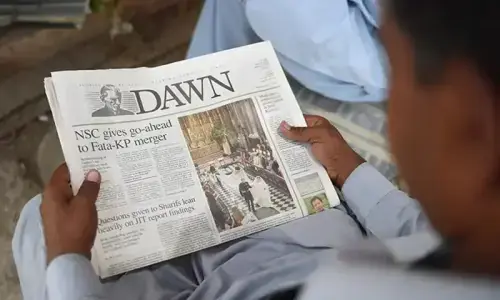
Published in Dawn, August 8th, 2025