THE illegal mixing of allopathic drugs with a lot of traditional medicines, like homeopathic, ayurvedic and herbal products, has reached rather alarming proportions in the country. Various Drug Regulatory Authority of Pakistan (Drap) regulations as well as laws of the land have clearly banned such a practice for being a risk to public health. Yet, the practice continues unabated.
When allopathic drugs are mixed into traditional medicines, it becomes a case of fake or adulterated medicine, which is a punishable crime. Drug inspectors have the right to seize such products and take strict action against those who make or sell them. The government has also launched several anti-quackery drives to stop these illegal activities. Yet, there has been no change on the ground.
Such concoctions can and often do cause unexpected side effects, toxic reactions, and dangerous drug interactions. Unaware of what the drugs actually contain, many tend to indulge in overdose, which seriously increases the risk of damage to such vital organs as liver, kidney and heart.
Sometimes, these products are even contaminated with heavy metals or other harmful substances, making them even more unsafe. There have been cases where such adulterated medicines have caused deaths.
Unfortunately, despite the laws, the authorities have not been successful in stopping the use of homeopathic mother tinctures and herbal products that contain strong drugs or heavy metals. There are several reasons behind this failure. The regulatory bodies do not have enough resources or proper systems to check all products before they reach the market.
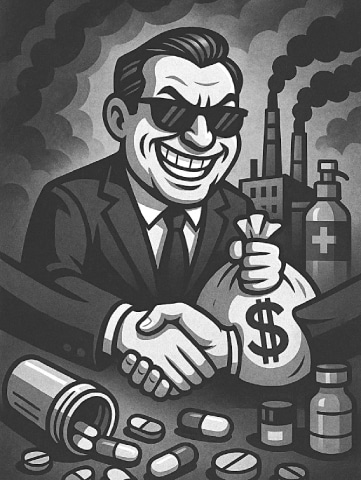
There is also a lack of strict quality control and mechanism comprising safety checks. Also, the market for traditional and homeopathic medicines is quite profitable, and most manufacturers and sellers care more about making money than about people’s health and lives.
Traditional medicines happen to be deeply rooted in our culture, especially in rural areas where modern healthcare is not always available. It is not available easily in any case.
A lot of people do not know about the dangers of heavy metals or hidden drugs in these medicines. This lack of awareness means there is less pressure on companies and regulators to improve safety.
Finally, different types of medicines are regulated by different professional bodies, and this leads to confusion and gaps in enforcement. There has to be an umbrella body to keep an eye on the happenings purely from apublic health point of view. The government must think proactively, and enforce the relevant laws more strictly.
Ilahi Bux
Hyderabad
Published in Dawn, July 27th, 2025