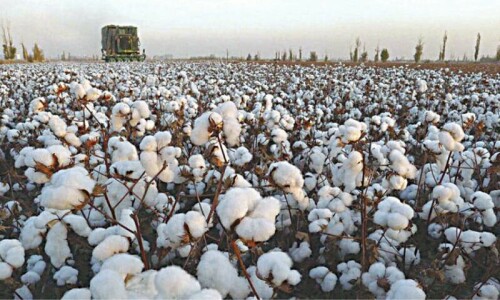
Cotton imports surpass domestic output

LAHORE: Pakistan has witnessed a historic surge in the import of cotton and cotton yarn during FY25, with the volume of imports surpassing total domestic production for the first time — a development attributed to policy distortions and adverse weather, sparking alarm among industry stakeholders.
While textile exports posted a modest growth of 7.22pc, reaching $17.88bn, imports of textile-related products jumped to $4.24bn, reflecting a record increase of 61pc compared to the previous fiscal year, according to data from the Pakistan Bureau of Statistics.
Industry sources say the spike in imports is a direct outcome of multiple factors, including the earlier allowance of duty- and sales tax-free imports of cotton and yarn, high taxation on the domestic ginning industry, neglect of crop zoning regulations, and unfavourable climatic conditions that severely hampered local output.
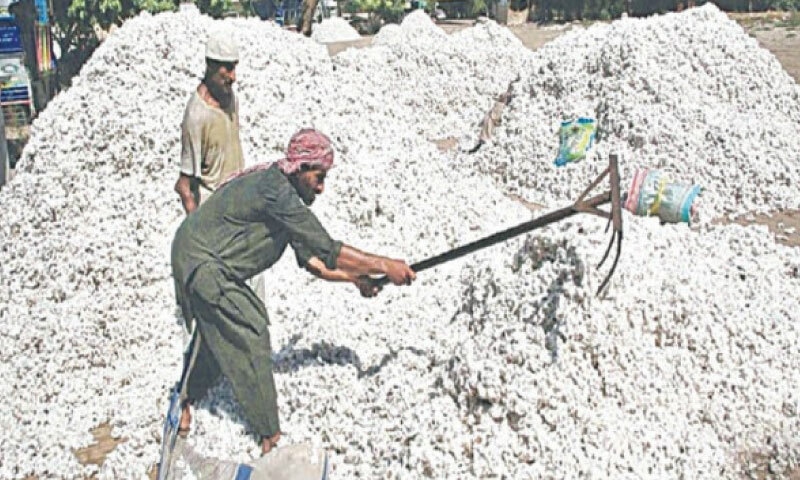
During the fiscal year, textile mills imported around 4.5 million bales of cotton and yarn equivalent to 1.5m bales, despite domestic production standing at just 5.5m bales — the second lowest in Pakistan’s history. The steep 18pc sales tax imposed on local cotton is seen as a major disincentive for buyers. Adding to the concern, over 100,000 bales of unsold cotton reportedly remain stockpiled at ginning factories.
Textile imports surge by record 61pc in FY25 despite modest export growth of 7.2pc
Stakeholders are now calling for urgent structural reforms. “The government must sincerely implement a ‘Cotton Revival’ programme to curb this overdependence on imports and save precious foreign exchange,” said Cotton Ginners Forum Chairman Ihsanul Haq. He also pointed out that the country spends billions of dollars annually on edible oil imports, partly due to the decline in cottonseed production.
Mr Haq urged the federal and provincial governments to enforce crop zoning laws and impose a ban on sugarcane cultivation and the construction of sugar mills in designated cotton-growing regions. “This would not only stabilise cotton production but also contribute to macroeconomic stability,” he argued.
While the federal government’s recent decision to withdraw sales tax exemptions on imported cotton and yarn may support partial recovery of the local industry, Mr Haq emphasised that further steps are essential. “The government should eliminate the over 86pc sales tax currently levied on the ginning sector to help revive over 1,000 closed ginning factories and about 1,250 dormant oil mills,” he said.
Such measures, he added, would stimulate domestic demand, strengthen cotton pricing, improve farmers’ income per acre, and ultimately contribute to national economic growth.
Published in Dawn, July 15th, 2025