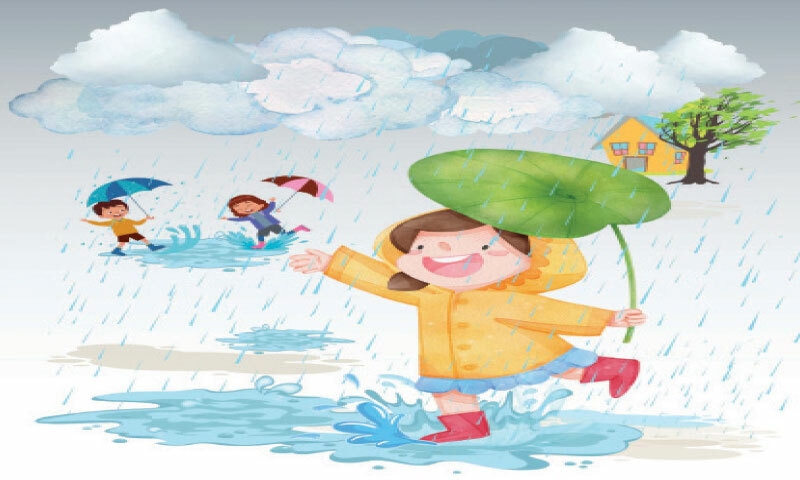

It is that time of the year when the air feels incredibly fresh, flowers bloom and the sky turns now clear, now cloudy. There is an air of wonder and anticipation for the much-awaited season, the blessed season that breathes life into the dry soil and replenishes the crops and plants — the monsoon. These days, most of South Asia, including our country, is getting monsoon rains. Some areas are under the spell of heavy rains, while others are getting drizzles.
Rain is a blessing; it brings joy and breathes life into all living things. But for many people, without a proper roof or even the necessities, this blessing turns into a nuisance. In times like these, we must be mindful of the people around us and note if maybe someone close by needs a hand.
Below are some aspects of the monsoon rains that we rarely think about. Let’s take a quick look.
What’s in a name?
A lot, yes, a name carries a lot. It tells us about a thing, a person or whatever is being discussed. While researching the topic, I discovered that the word ‘monsoon’ has taken quite a journey through languages and across oceans before settling into our vocabulary.
It all began with the Arabic word ‘mausim’, which means “season.” Centuries ago, when the ancient Arabic sailors navigated the Indian Ocean and the Arabic Sea, they didn’t just see seasons as change in months on a calendar. They watched the winds change and knew exactly when it was safe to sail. They observed those seasonal wind shifts that often-brought heavy rains along with them.
In the 16th century, when the Portuguese arrived in India, they picked up the word ‘mausim’ and turned it into ‘moncao’ and from there, English speakers turned it into the word we know today as monsoon.
Monsoon is a global phenomenon. Science explains it as happening in tropical and subtropical regions where land heats up faster than the ocean, causing massive wind shifts and seasonal rain patterns.
Some major monsoon zones are: South Asia (India, Pakistan, Bangladesh and Sri Lanka): The grandest monsoon of all, feeding rivers, farmlands and hearts alike. Southeast Asia (Thailand, Indonesia and Philippines): Here, the monsoon often comes with intense storms and lush growth.
East Asia (China, Korea and Japan): Known for rainy summers and dry, biting winters.
West Africa: Brings crucial rainfall to the Sahel belt.
Australia’s North: They experience tropical downpours, steamy afternoons and thunderstorms.
Southwestern US/Northern Mexico: The North American monsoon brings short, sharp thunderstorms, not very famous, but they still have an occurrence.
Monsoon in tradition and culture
For centuries, people have seen the monsoon as more than just weather. It was worshipped, feared and celebrated. Even today, in many cultures, its arrival is marked with traditional dances, songs, poetry and late-night gatherings often filled with storytelling sessions. This is still common in Tharparkar, Sindh.
People there wait for the monsoon season all year. Since there isn’t much sweet water available due to the arid landscape, they mostly depend on rain. And when it finally comes, people celebrate in their unique way.
Fun and trouble pours together!
Monsoon is not an everyday affair; a little more than normal excitement is only natural. But once it arrives and you indulge in the love of it, things tend to get messy… really messy! Especially when your mother start scolding you for running in and out of the house in water-drenched clothes, dripping across the lounge, the stairs or wherever you decide to sit!
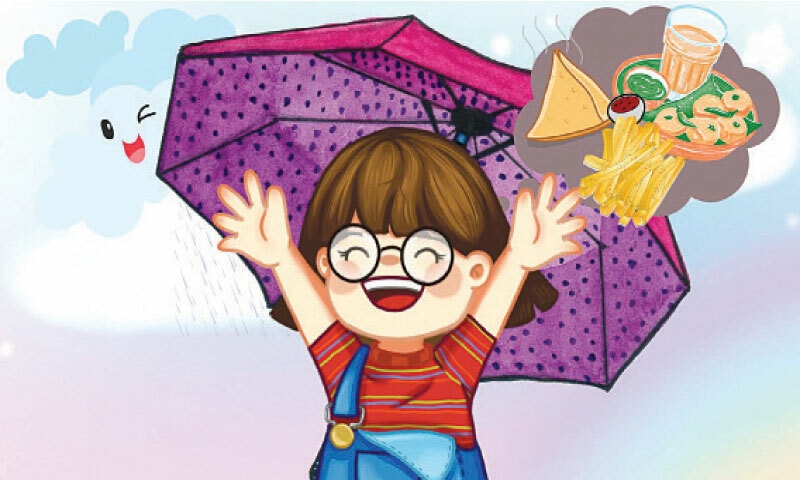
Of course, a long list of dos and don’ts follows. But the excitement is so much that you immediately say yes to everything, which in normal days you wouldn’t. So, while you clean up your messes (grudgingly), you keep nudging your mother to make you crunchy, golden pakoray or hot crispy samosay, and anything or everything you are craving for!
Tips to take care during the monsoon
With rain pouring down, the floor becomes super slippery and there your unstoppable indoor-outdoor marathons often end in slips and slumps, and what cannot be avoided are the bruises and strains, sometimes serious and sometimes bearable.
Of course, some things are just part of the monsoon madness, but we need to be a little more careful. The season won’t stop for us, but we can surely pace ourselves a little better. So let’s follow the essential protocols.
Dress smart, and not damp!
We have plenty of affordable options in this regard! So here’s a handy tip for everyone in the family, from birth onwards! Usually, quick-dry fabrics work best, as they are cotton blends and usually come with a mix of synthetic fibres, so they don’t cling to the body and resist holding on to dirt. They are much easier to wash and shake off any dust attached.
Also, avoid long outfits; in the rain, you wouldn’t like to drag a soggy dupatta through muddy puddles. It is best to keep an extra dupatta or stole when going out, in case you might need a dry one if you get soaked in the rain.
Moreover, keep a sturdy umbrella always handy or beside the main door. Or if your region has frequent heavy rain spells, you must always keep a light raincoat in your bag, too!
Footwear matters!
Say goodbye to suede and leather until the clouds clear the sky. These days, opt for rubber, sponge or synthetic material flip-flops or pumps. If you’re enjoying the downpour on your balcony or rooftop, Crocs are a great choice even when it’s just a casual outing; they’re an all-time favourite for many.
When going out in this unpredictable weather, keep a pair of dry socks and an extra pair of shoes or sandals in your vehicle to avoid any mishap.
Bugs, bites and bacteria
If you drink filtered water, great! But if not, be sure to boil it; no matter how lovely the season feels, it often brings tummy bugs with it.
Rain and humid season bring with them near-invisible bugs that thrive in wet soil, carpets or furniture. If you feel a sudden itch on your feet, ankles or legs but don’t see a mosquito, chances are the culprits are tiny and nearly impossible to spot insects, some crawl or bite without leaving visible marks. The best way to stay safe is to apply mosquito repellent spray or lotion.
During rain, there are puddles of stagnant water around your house, you cannot dry them, but you can apply mosquito repellent whenever going out. It doesn’t just keep mosquitoes away; it’s also helpful against many other bugs that might bite or irritate your skin.
This once-in-a-while weather is loved by almost everyone, and for many, eating out or bringing in fried snacks is a must. So yes, look for an eatery that has fresh and clean snacks, make sure to check that the food is not exposed to flies and, most importantly, try to avoid saving fried items to eat later in the day.
Smart home habits for wet weather
Keep windows slightly open for ventilation; closed, humid houses breed fungus and smell of mould. Remember: always touch sockets or switches with dry hands.
If your hands are wet, do not touch anything that conducts electricity. Also, try not to use electrical appliances. Do not press doorbells or switches that are wet, since they can carry electric current.
And while walking outside, stay away from wires and electric polls.
The scent after the rains
The pleasant, earthy smell after it rains is called petrichor. So why does it only come after the rains? The simple science behind it is that when the first drops of rain hit dry soil, they disturb the surface and create tiny bubbles. These bubbles carry natural oils, dust and tiny particles from the ground. As the bubbles burst, those scents are released into the air.
There’s also a kind of helpful bacteria (actinomycetes) in the soil. When it’s dry, it stays put. As it rains, the bacteria release tiny spores into the air, adding to the smell, too! Together, all these things mix in the breeze and give us that fresh, calming scent people often love after rain.
Published in Dawn, Young World, July 12th, 2025