Pakistan, Afghanistan recognise terrorism as serious threat in 1st round of additional-secretary talks
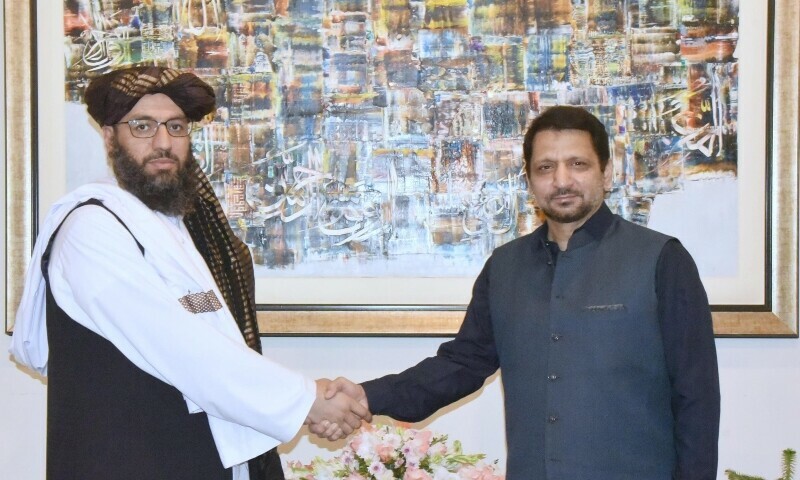
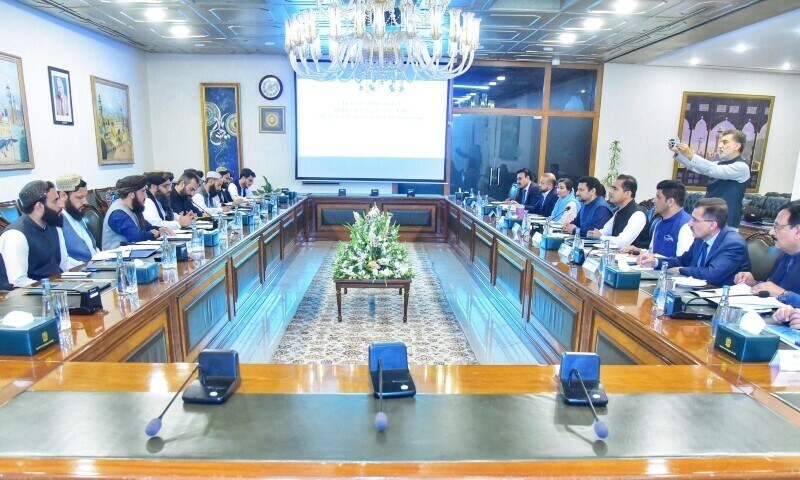


Pakistan and Afghanistan recognised terrorism as a serious threat as the inaugural round of the Additional Secretary-Level Mechanism between the Foreign Ministries of Pakistan and Afghanistan was held in Islamabad on Monday.
The talks are the latest in a series of steps between both nations to improve ties, such as the revival of the Joint Coordination Committee (JCC) and the upgrading of each country’s diplomats from the rank of chargé d’affaires to ambassador.
According to a press release from the Foreign Office, the Pakistani delegation was led by Additional Secretary (Afghanistan and West Asia) Ambassador Syed Ali Asad Gillani, while the Afghan side was led by the Director General of the First Political Division at the Afghan Ministry of Foreign Affairs, Mufti Noor Ahmad Noor.
“Discussions covered key areas of bilateral interest, including trade and transit cooperation, security, and connectivity. Both sides recognised terrorism as a serious threat to regional peace and security. The Pakistani side emphasised the need for concrete actions against terrorist groups operating on Afghan soil, noting that such groups undermine Pakistan’s security and hinder regional development.”
According to the FO, both sides discussed deepening trade and transit cooperation and reviewed the implementation of measures announced to facilitate Afghan transit trade during the April visit of Deputy Prime Minister and Foreign Minister Ishaq Dar to Kabul, including the removal of a 10 per cent processing fee, the provision of an insurance guarantee, reduction in scanning and examination and making the track and trace system operational.
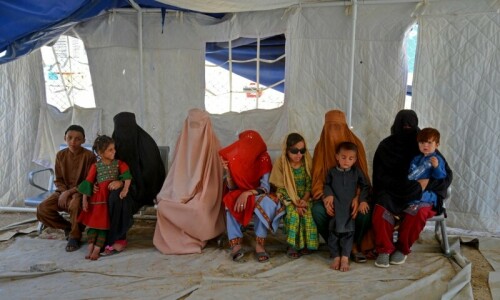
The delegations “underlined the importance of enhanced regional connectivity as a catalyst for sustainable growth and shared prosperity”, the FO said, adding that they agreed to work towards finalising the framework agreement for the Uzbekistan-Afghanistan-Pakistan Railway. “The two sides also discussed matters related to the repatriation of Afghan nationals,” the FO said.
According to the statement, Pakistan highlighted its efforts to facilitate documented travel from Afghanistan through the issuance of over 500,000 visas across a range of categories, such as medical, tourist, business, and study, from January 2024 till now.
“Both sides agreed to work together to further strengthen the legal movement of individuals across borders,” the press release read. The delegations reaffirmed their commitment to sustaining engagement and addressing mutual challenges, the FO said.
“They recognised lasting security as a cornerstone for both the region’s optimal development as well as for further advancement of bilateral relations.” The delegations decided to convene the next round of additional-secretary talks at mutually convenient dates.