US interventions in Middle East: is the spectre of 9/11 rising again?


 0
0
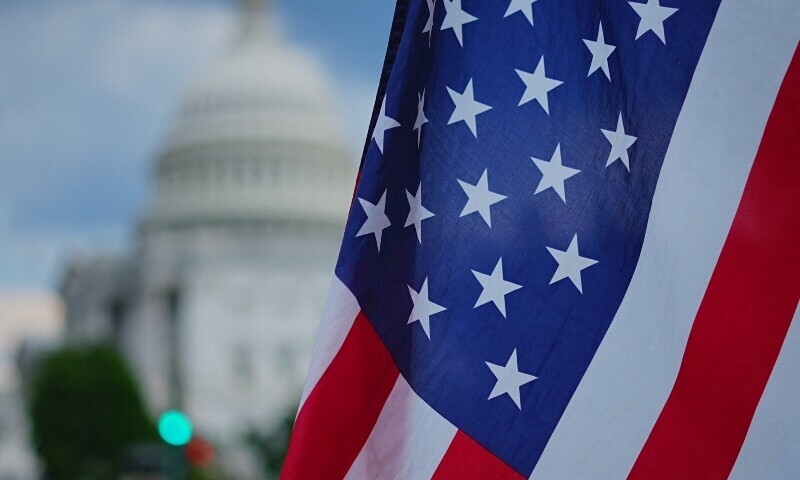

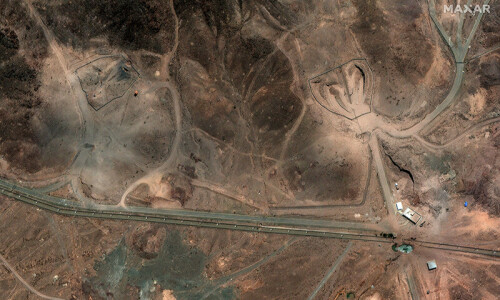
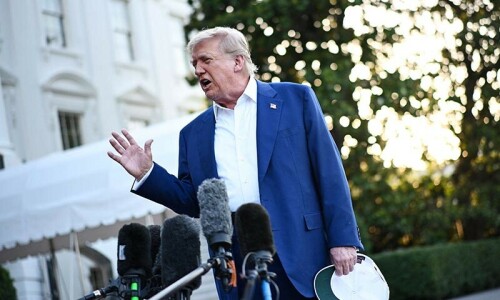
US President Donald Trump has once again shaken the global order — this time through a direct military strike on some targets in Iran: nuclear facilities that “produce enriched uranium”. The bunker-buster assault, launched under Trump’s direction, marked a rare instance of a direct US attack on Iranian soil.
Although the immediate result was a ceasefire between Israel and Iran, the strategic and ethical implications of the strike are far more disturbing than they first appeared.
Following the US strike, Iran launched only minimal retaliatory attacks before agreeing to what amounts to a ceasefire of near surrender. Israel, too, accepted this halt in hostilities. On the surface, it might appear that American power forced a pause in the conflict. But beneath that silence lies a storm: in Iran, anger and humiliation are growing — particularly among the youth — who might view this sequence of events not as fair but as public submission to Western aggression.
That sentiment raises a chilling historical parallel: the 9/11 attacks in 2001. At the time, many Americans saw the attacks as inexplicable acts of evil. However, later analyses revealed that the roots of such extremism lay in decades of unilateral, arrogant and often violent US interventions in the Middle East.
The young people in the Arab world or Islamic nations radicalised during those years saw the United States not as a beacon of freedom but as a hubristic superpower trampling their sovereignty. The fear now is that Trump’s latest strike may sow the seeds of yet another 9/11-style backlash — this time from another generation filled with rage and defiance.
The UN Security Council did not approve the military strike, nor was there any consensus among US allies. There is no clear evidence that Iran posed an imminent threat requiring a preemptive US strike. In short, the action violated fundamental principles of international law — specifically, the prohibition against unilateral use of force without Security Council authorisation or a clear case of self-defence.
The alarming point is that the US is responsible for protecting the rule of no unilateral use of force. Even more concerning is the fact that Trump’s strike appeared to align with Israel’s aggressive posture toward Iran.
In recent months, Israel has conducted multiple attacks on Iranian targets, citing concerns over Iran’s nuclear programme. There are indeed reasons to be concerned about the programmes from an Israeli perspective. However, such doubt can not justify the preventive strike in any form.
Now, by acting in concert with — or perhaps on behalf of — Israel, the United States has compromised its traditional image as an objective mediator in the region. Instead, it has cast itself as a direct participant in the conflict, blurring the line between diplomacy and warfare.
This is not an isolated event. During his presidency, Trump withdrew from the Joint Comprehensive Plan of Action, also known as the Iran nuclear deal.
Published in Dawn, June 30th, 2025