• Petrol hiked by Rs4.80, diesel rates rise by Rs7.95
• Crisis deepens in Balochistan as supply from Iran disrupted
• ME conflict worries global markets
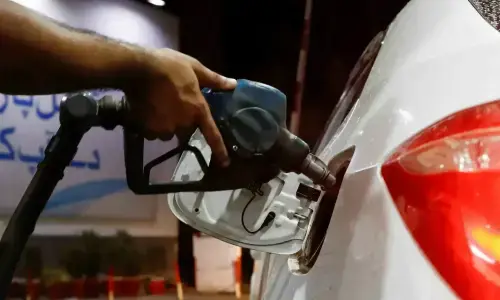
QUETTA/KARACHI: The federal government has jacked up the prices of both petrol and diesel, with their rates climbing by Rs4.80 and Rs7.95 per litre, respectively.
According to a Finance Division notification issued on late Sunday night, the new prices had been determined “based on the recommendations of Ogra (Oil and Gas Regulatory Authority) and the relevant ministries”.
High-speed diesel (HSD), which previously cost Rs254.64 per litre, will now be sold for Rs262.59.
Similarly, petrol, which cost Rs253.63 per litre, will now be available for Rs258.43.
Previous estimates suggested that petrol and diesel prices would increase by about Re1 and Rs5 per litre, respectively, for the next fortnight, owing to higher international market prices.
Fuel crisis deepens in Balochistan
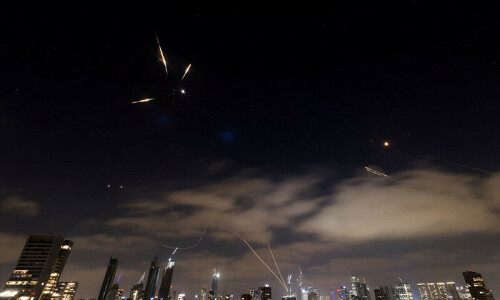
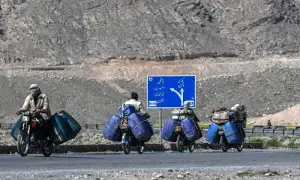
Meanwhile, the fuel crisis in Balochistan has taken a serious turn amid the escalating Israel-Iran conflict, as the supply of Iranian oil through the border has been badly affected, leading to the closure of a large number of petrol pumps.
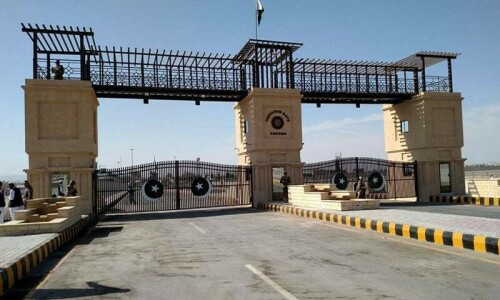
The border districts of Balochistan with Iran, including Turbat, Gwadar, Panjgur, Chagai, Washuk, and Mashkail are worst-affected, as they were not only facing suspension of Iranian oil supply, but also a food shortage, as most eatable supplies also come from Iran.
Around 60 to 70 per cent petrol pumps have been closed due to suspension of supply of Iranian smuggled oil through Makran, Rakhshan and Chagai areas. The petrol pumps selling smuggled Iranian petrol and diesel were already closed by the district administration last week, which also added to citizens’ woes in Quetta and other districts.
Those involved in the Iranian petrol business had increased prices, selling petrol for Rs280 to 300 per litre in the black market, while the government had fixed the local petrol price at Rs254 per litre.
The petrol supply from Karachi was also affected due to the road blockade between Quetta and the port city at different points.
‘No fuel shortage’
However, the Balochistan government claimed that there was no fuel shortage in the province, as most petrol pumps were open in the provincial capital.
In a statement, provincial government spokesperson Shahid Rind refuted the impression that the province was facing a fuel shortage.
He said that petrol stations selling Iranian oil are safety hazards, citing 28 fuel-related accidents across Quetta in the past month, including incidents on Airport Road and in Hazar Ganji area.
“These so-called shortages are being exaggerated by those who want to lift the ban on smuggled Iranian fuel,” Rind said, adding that strict action is being taken to ensure the supply of legal petrol through registered pumps. Petrol stations found involved in hoarding or refusing service will face immediate legal consequences, he warned.
Global oil price volatility
The escalating conflict between Israel and Iran has raised significant concerns in global markets, particularly in the energy sector, due to both countries’ strategic positions in the Middle East, a region critical to the global oil supply chain.
Investors were on edge ahead of markets reopening late on Sunday, gripped by anxiety over the escalating threat of a sweeping conflict in the Middle East and nationwide protests against President Donald Trump, according to Reuters.
Oil prices rose by 7pc on Friday, as Israel and Iran traded strikes, and investors will be watching closely to see how prices react when markets open today (Monday).
Israel’s strikes on Iran’s oil and gas industry lifted oil prices and prompted a rush into gold and the dollar, which resumed its role as a safe-haven asset for the first time in months.
Oil prices at close to six-month highs could pose a risk to the inflation outlook, as central banks around the world grapple with the impact on prices from Trump’s trade tariffs and the effect on economic growth.
Energy experts said if hostilities remain limited to tit-for-tat strikes without affecting shipping lanes or oil fields then oil prices may see short-term volatility, but stabilise quickly later.
In other case, if the conflict escalates, impacting the Strait of Hormuz or drags in other countries, the oil prices could surge above $100 per barrel, they feared.
Published in Dawn, June 16th, 2025