THIS is with reference to the news report “Moro violence victim’s body buried without heirs’ consent under judicial order” (May 26). Irfan Leghari, who was injured by police bullets during the unrest in Moro, succumbed to his wounds. But even death brought him no peace.
In a chilling act of high-handedness, the police kept his body in custody for around 48 hours, refused to hand it over to the grieving family, and ultimately buried it as unclaimed without the consent or presence of his heirs in a graveyard far from his ancestral village under tight security.
No explanation has been offered for this unlawful and inhumane act. What law, what ethics permit such dehumanising treatment of the deceased? Has the government grown so insecure that it now fears the dead? The graveyard where Leghari’s mortal remains were buried has now been sealed off by local police.
A heavy deployment continues around his village, compounding the agony of the mourners. Villagers have been reporting shortages of essentials and medicine, questioning the purpose of such repression against a poor, peaceful community.
The Moro unrest stemmed from a wider resistance against the controversial construction of canals on the Indus River and the allocation of Sindh’s lands for corporate farming. These widespread protests have been going on for months without any violence.
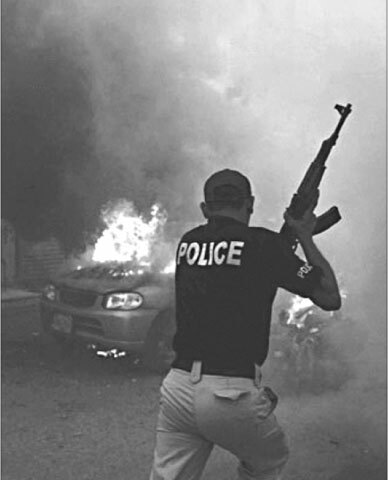
But in Moro, tragedy struck. Two young men — working-class, unemployed, peaceful protesters — were shot dead. The riot police, instead of exhausting options of negotiations, water cannons, batons and rubber bullets, resorted to the use of live ammunition.
While some allege that the protesters tried to breach the guarded and fortified residence of a provincial minister, others contend that violence began when private guards and party loyalists initiated the violence without provocation. The pressing question, however, remains: why was such disproportionate force used against disenfranchised youth giving voice to their legitimate concerns over land and water rights?
A high-level judicial inquiry — not a police-led formality — is urgently needed to unearth the truth behind the killings, the mishandling of Irfan’s body, the denial of FIRs, and deployment of police force around the village.
The demand for impartiality is essential, because the events occurred in the constituency of a provincial minister. The state must act as a just, neutral guardian to all across the board; not as a persecutor.
Qamer Soomro
Shikarpur
Published in Dawn, May 31st, 2025