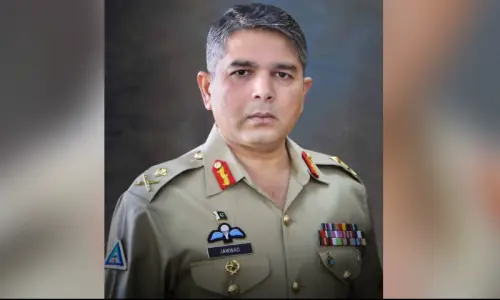
REVOLUTIONS and upheavals are messy things, and unless proponents of the new order have a solid plan to replace the old order, transitions can be chaotic and bloody. For those leading Bangladesh in a new direction after the fall of Sheikh Hasina Wajed’s autocratic government last year, the challenges are considerable, and cracks are emerging within the coalition of parties that helped bring down the Awami League regime. Unless these issues are addressed and a clear roadmap for elections is announced within a reasonable span of time, the trust deficit between different parties may grow wider, adding to the instability that has been rocking Bangladesh. There were rumours a few days ago that Muhammad Yunus, the Nobel laureate who is heading Bangladesh’s interim set-up, was considering resigning. These were later scotched, but media reports say Dr Yunus had considered leaving his post because of pressure on him from various factions. It has also been reported that there has been increased civil-military friction. Perhaps at the heart of the instability is the debate over the election date. Dr Yunus has said polls will be held between December and July 2026, while the BNP, one of the country’s largest parties, insists elections should be held by the end of this year. The powerful army also reportedly wants polls by December. Local media quoted the army chief as saying “we must return to barracks after elections”.
Indeed it is a tough call for the interim set-up. While Dr Yunus’s calls for reform before polls are understandable, long-term changes in the country’s administrative and political structure should ideally be left to an elected government. And while demands for justice for those who were allegedly tortured or killed by the previous government are also justified, the legal process should continue in tandem with preparations for polls. All of Bangladesh’s political parties and factions should, therefore, jointly prepare a roadmap acceptable to all to ensure a free and fair democratic transition. Announcing a tentative election date would remove much of the uncertainty, and turn the focus of political parties towards the campaign trail. The interim rulers should also reconsider the ban on the Awami League’s participation in the polls, as the election will not be fully democratic without the presence of one of the country’s major political parties. Let the people of Bangladesh decide.
Published in Dawn, May 30th, 2025