• High-level team due in NY to counter Indian lobbying, Bilawal likely to head delegation
• Indian team led by Tharoor is already in US, assailing Trump’s role in truce
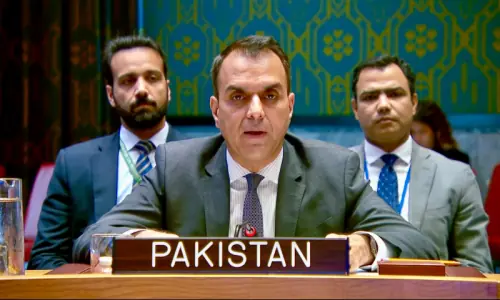
A HIGH-LEVEL Pakistani delegation is arriving in New York next week to present Islamabad’s position on the ongoing dispute with India as an Indian parliamentary team is already in the United States to step up its own lobbying campaign.
The Pakistani delegation currently includes Federal Minister for Environment Musadik Masood Malik, former foreign minister Hina Rabbani Khar, Senator Bushra Rahman, Khurram Dastagir, former ambassadors to Washington Jalil Abbas Jilani and Sherry Rehman. The group is expected to arrive in New York on June 1.
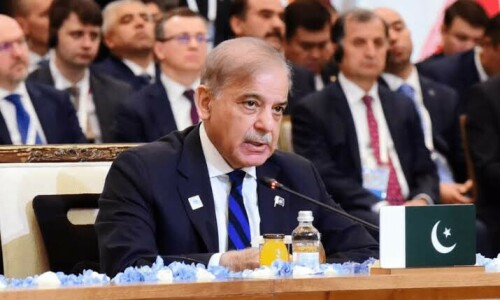
PPP Chairman and former foreign minister Bilawal Bhutto- Zardari is scheduled to lead the delegation. However, with the possible addition of two new destinations to the itinerary, the final list of participants is still being finalised. There is also a possibility that Pakistan may send two separate delegations — one to Europe and another to North America, including Canada — with the PPP chairman likely to lead one of them.
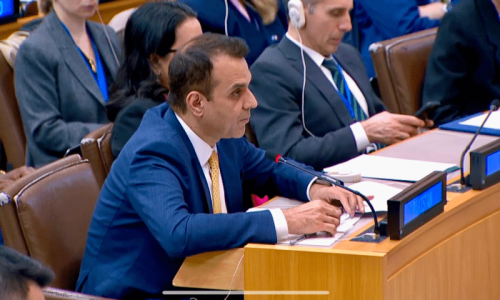
While in New York, the delegation is scheduled to meet United Nations Secretary General António Guterres and the current president of the UN General Assembly. They will also address a meeting of permanent representatives to the UN.
From New York, the delegation will travel to Washington on June 3, a day after the US Congress resumes its session following a post-budget recess. Meetings with US Secretary of State Marco Rubio and the National Security Adviser are being arranged.
Additional engagements include discussions with senior lawmakers, think tank scholars, and media representatives. The delegation will stay in Washington until June 6.
Meanwhile, the Indian delegation led by Congress MP Shashi Tharoor is already in the United States as part of a wider tour that includes visits to Guyana, Panama, Colombia, and Brazil.
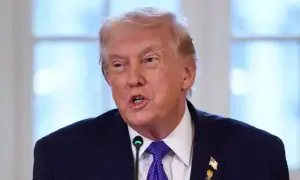
Tharoor, a former senior UN official, began his campaign with a speech at the Indian Consulate in New York, where he criticised US President Donald Trump’s claim that he had negotiated the ceasefire between India and Pakistan.
President Trump has faced criticism from Indian officials and political circles for contradicting New Delhi’s claim that the ceasefire was negotiated by India at Pakistan’s request. Islamabad has already dismissed this claim as inaccurate. Since the ceasefire was announced on May 10, President Trump has issued five statements clarifying that it was the United States — not India — that negotiated and ensured the implementation of the ceasefire.
India has also expressed displeasure over Trump’s repeated public statements that the Kashmir issue requires resolution and that he is willing to mediate. New Delhi has consistently rejected “any notion of third-party mediation”.
In a widely circulated video, Tharoor, without naming Trump, remarked that he has “had the great honour of meeting four or five American presidents,” who had “a certain political heft, statesman-like gravitas, and intellectual quality that I find woefully lacking in this gentleman”. The comment drew laughter from the audience.
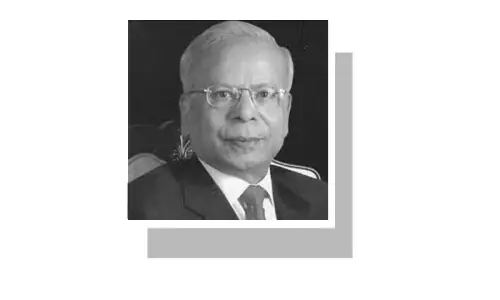
Shuja Nawaz, a distinguished fellow at the Atlantic Council and author of several books on Pakistan’s military, commented on the Indian position while talking to Dawn, saying: “India has a longstanding position on no third-party involvement. But it doesn’t show any inclination towards engagement.”
Nawaz also noted that the United States and certain Arab states were involved in behind-the-scenes peace efforts. “Pakistan can benefit from behind-the-scenes pressure by the US and Arabian Peninsula governments to begin dialogue. But it must insist on a broad agenda and a deadline for agreement.”
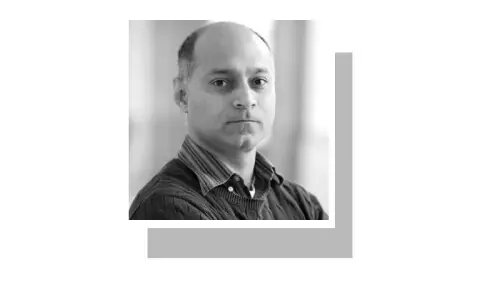
Joshua White, a former National Security Council official and now a professor at Johns Hopkins University, also spoke to Dawn, saying it is unclear whether President Trump “personally played any role” in bringing about the ceasefire. However, “he is eager to take credit for solving problems, even if the manner in which he does so strains ties with the United States’ allies and partners.”
Michael Kugelman, a Washington-based scholar of South Asian affairs, said President Trump views himself as the ultimate dealmaker and peace broker, “so it’s not a surprise he’d want to publicly project himself as having been front and centre in the talks that led to the end of a dangerous confrontation”.
Noting India’s sensitivity to third-party involvement, Kugelman added: “Unlike during previous cases of US mediation, Trump essentially broadcast it to the world, which naturally didn’t go down well in Delhi.”
Published in Dawn, May 26th, 2025