Human Rights Watch strongly criticised Bangladesh’s interim government on Thursday, warning that it risked “undermining fundamental freedoms” through measures including its ban on the former ruling party.
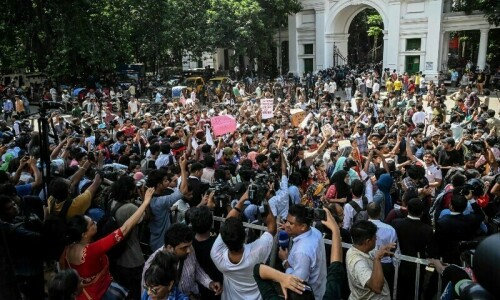
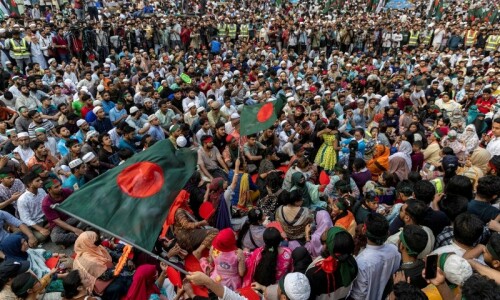
The South Asian nation of around 170 million people has been in political turmoil since the student-led revolt that ousted then-prime minister Sheikh Hasina in August 2024, with parties protesting on the streets over a string of demands.
The interim leader, Nobel Peace Prize winner Muhammad Yunus, has promised democratic reforms and vowed polls will be held by June 2026 at the latest.
However, New York-based HRW said Yunus risked following the example of Hasina in clamping down on opponents.
“Instead of pursuing its pledge to reform the criminal justice system and bring accountability for serious abuses, the government … is attempting to suppress the rights of supporters of the deposed leader,” the rights group said in a statement.
HRW said the government had used “newly introduced powers under a draconian amendment to the Anti-Terrorism Act” to suppress Hasina’s party.
Hasina’s government was blamed for extensive human rights abuses and protesters demanded that Yunus take action.
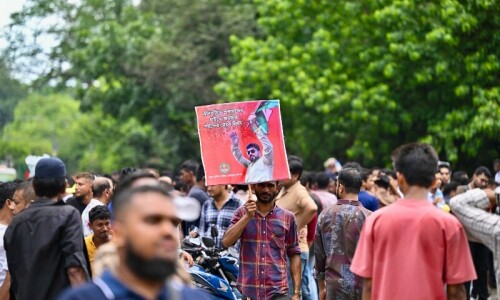
The government banned Hasina’s Awami League party on May 12 after days of protests outside Yunus’s house, pending the trial of Hasina and other key leaders.
Hasina, 77, fled to India and has defied an arrest warrant from Dhaka over charges of crimes against humanity.
“Imposing a ban on any speech or activity deemed supportive of a political party is an excessive restriction on fundamental freedoms that mirrors the previous government’s abusive clampdown on political opponents,” HRW said.
“Hasina’s government abused legal powers to silence political opponents, but using similar methods against the supporters of her Awami League party would also violate those same fundamental freedoms,” said HRW’s Meenakshi Ganguly.