Olive value chain policy submitted to cabinet for approval

ISLAMABAD: A ‘National Olive Value Chain Policy’ has been framed and submitted to the federal cabinet for approval since Pakistan has significant potential to become a key player in the global olive industry due to its suitable conditions and increasing demand for olive oil, official sources told Dawn.
The policy along with the ‘Implementation Strategy and Roadmap’ spanning over seven years till 2030, prepared under the Ministry of National Food Security and Research, builds upon existing government initiatives outlining a comprehensive approach to developing the olive value chain to create a structured and solid olive sector, the policy document says.
It aims to increase olive production, enhance the quality of processing and human resources, attract the private sector industry, facilitate the stakeholders in managing the olive chain, promote domestic consumption, and compete on the national and international markets.
In the meantime, the PSDP olive project has been proposed to extend for one-year (2025-26) with total allocation of Rs637 million in order to strengthen the olive value chain by sustainability of the achievement already made in this sector; to keep the momentum of olive plantation, installing drip system, wild olive grafting, olive stakeholder training and awareness; and in order to institutionalisation of the sector, governance, enhance linkages with international organisations and policy matters.
Country spent $3.33bn on edible oil imports last fiscal year
Despite agriculture being one of the government’s top priorities, Pakistan spent about $7.57bn during the financial year 2023-24 on food imports, out of which about $3.33bn was spent on edible oils, as 90 per cent of the requirements are met through imports. The imports included about 4,000 tons of olive oil for $19m and about 500 tonnes of olive oil products for about $3m.
Major and minor constraints affect oilseed production in the country, which discourage farmers from growing these crops. The constraints include random acts of marketing, low economic returns, inadequate support on essential production inputs, including credit, quality seeds, and fertiliser, inadequate production technology, and lack of appropriate farm machinery for harvesting and post-harvest processing. Ultimately, the oilseed crops also suffer the status of being considered ‘minor crops’.
Within the 13th five-year plan (2024-29), the olive sector will play a prominent role in the export category with the specific objective to develop export-oriented clusters for industrial and agricultural products to enhance value chains. It will enhance Pakistan’s national brand to promote the country and the branding of its products and services.
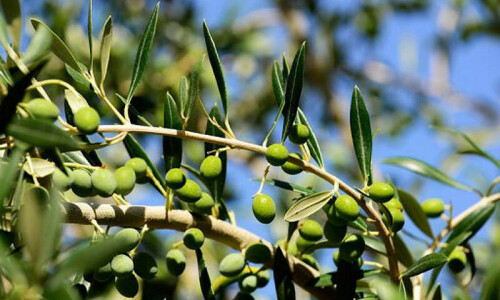
Currently, about 5.5m olive trees have been planted by the farmers, mainly in Balochistan, Punjab and Khyber-Pakhtunkhwa. The first significant investment in modern olive plantation dates back from 2012 to 2016 through the Pakistan Italian Debt Swap Agreement.
The provinces have also been active with their resources, mainly in Potohar. The olive seedlings, imported from the Mediterranean countries till 2020, then produced from local nurseries along with limited drip irrigation equipment, have been provided to the farmers free of cost on subsidised.
It has been assessed that the average olive yield is about 30pc of the optimal. Although the olive value chain is progressively being established, serious problems are hindering its smooth development on all its segments, the policy document says.
Published in Dawn, May 18th, 2025