0
0


GEOGRAPHY, economic constraints, tribal feuds, intolerance, external interests, and internal divisions have kept the Pakhtuns in a state of sociocultural transition, striving to preserve their traditional values and resisting new ones. But Pakhtun society is changing. While the core values of Pakhtun identity have remained intact, globalisation, modernisation and sociopolitical changes have left a mark. Values like hospitality, honour, bravery, and loyalty to one’s family are still strong, but the challenge for Pakhtuns is how to strike a balance between preserving their traditions while adapting to modernity.
Historically, Pakhtun society has been deeply influenced by religion intertwined with Pashtunwali, where religion provides the moral framework to reinforce values like hospitality, respect for elders, honour and so on. But modernity has also influenced religion, allowing a more liberal thought process to emerge. Pakhtun society traditionally functioned on the basis of tribal structure and code of conduct, where the jirga was mandated to resolve disputes. Individuals remained loyal to the tribe, and the family’s honour was seen as central to an individual’s identity. However, urbanisation, migration and technological changes have reduced direct interactions between people, and the modern concept of state and governance has gradually encroached upon traditional structures, diminishing the authority of the tribal elders and the jirga. Likewise, hospitality and generosity, pillars of Pakhtun culture, with guests extended shelter and food as a sacred duty, now seem to be eroding due to modern, urbanised living arrangements and economic constraints.
Regarding access to education, tribal societies have traditionally remained divided about religious and modern education and have yet to overcome a gender-biased worldview. However, modern values have opened avenues for girls’ education. In traditional Pakhtun society, seclusion kept women confined to domestic roles; hence, their participation in public life was often limited. However, pursuing higher education has resulted in increased visibility of women in economic, political, and social life.
Traditionally, marriages were arranged; however, there is now an increasing openness and encouragement of individual choice, indicating more personal autonomy in marriage decisions, particularly among younger Pakhtuns. Despite this, ‘love marriages’ are still considered in conflict with social norms in rural areas, and acceptance is still quite low, even in urban areas. In rural areas, love marriages may trigger feuds between families and even the ‘honour’ killing of newlywed couples. Despite modernity, family approval in marriage remains important. Likewise, women are well respected, but space for women in decision-making, legislation and policymaking remains limited. Therefore, women’s representation is still of a symbolic nature.
Honour (nang) remains central to Pakhtun culture, and an affront to honour must be avenged. Badal (revenge) is considered a personal and community responsibility. But increased Arab influence during the Afghan war has also injected more religious passions into the equation, resulting in an increased realisation of the worth of forgiveness, reconciliation and conflict resolution through non-violent means and the formal criminal justice system.
Some pillars of Pakhtun culture seem to be eroding.
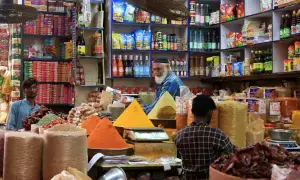
Traditionally, the Pakhtuns were engaged in agriculture and herding, which led to a closely knit social fabric that encouraged collective survival and mutual assistance. But changes in economic dynamics and urbanisation have impacted this social fabric, weakening the traditional economic structure and making it difficult to maintain traditional community ties and values. Changes in instruments of production determine changes in civilisation, but in the case of the Pakhtuns, such changes have remained anaemic due to a weak industrial base and limited landholding. Those who achieve economic success prefer urban living, which weakens their linkages with the tribal set-up.
Modern Pakhtuns are influenced by a combination of the Khudai Khidmatgar movement (anti-colonialism), progressive leftism, and religious (Deobandi) schools of thought. Leading the Pakhtuns is a monumental task: it is said that “there are as many leaders as there are heads”. It is important to recognise that the effective and peaceful functioning of any society requires leadership that is genuinely supported by the people. The 25th Amendment, which merged Fata with KP, is a step in the right direction, but more attention is needed towards its socioeconomic aspects. The peace and prosperity of the Pakhtuns depends on embracing healthy change and remaining integrated within the federation.
The writer is author of Pakistan: In Between Extremism and Peace.
X: @alibabakhel
Published in Dawn, May 16th, 2025