0
0

ISLAMABAD: The World Health Organisation (WHO) and the Pakistan Medical and Dental Council (PMDC) have started deliberations to strengthen collaboration aimed at aligning medical and public health education with the evolving primary health care (PHC) needs of Pakistan.
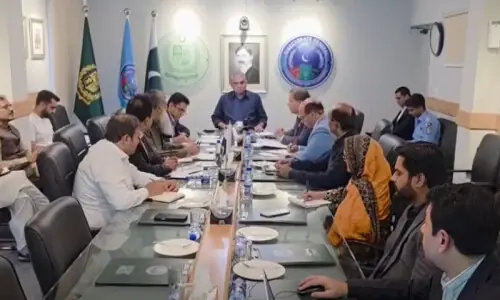
The discussions took place during the visit of a WHO delegation to PMDC. During a meeting, the two sides focused on the establishment and improving of primary health care centres and units revising medical and public health curricula to better address the country’s health priorities and ensure future healthcare professionals are equipped with the skills and knowledge essential for delivering comprehensive, community-centered care.
The delegation emphasised the importance of producing a health workforce that can effectively respond to the growing challenges of non-communicable diseases (NCDs), maternal and child health, mental health, and emerging health emergencies.
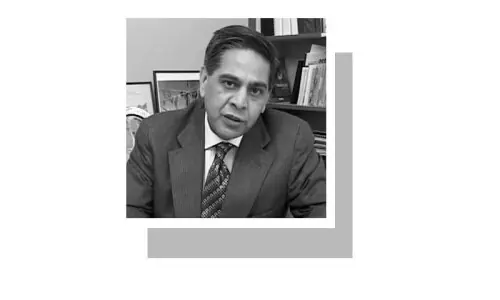
PMDC President Dr Rizwan Taj said: “Our shared goal is to create a responsive, equitable, and sustainable healthcare system by strengthening the foundation of medical education. We value WHO’s technical expertise and continued support in this vital endeavour.”
He informed the delegation that PMDC had directed all affiliated medical and dental colleges to establish outreach centres either at their teaching hospitals or by utilising existing Basic Health Units (BHUs) and Rural Health Centres (RHCs) within their respective regions.
“The objective of this initiative is to enhance practical training for students, promote community health improvements, and raise public health awareness and education,” he added.
Dr Taj pointed out that people living in remote and suburban areas of Pakistan often have to travel to major cities for even basic healthcare services, leading to financial and emotional hardship. Establishing accessible PHC centres in all provinces, particularly in underserved regions, is, therefore, crucial to ease the burden on these communities.
He added that for the first time PMDC had introduced a curriculum comprising 1,700 hours for medical and allied health sciences education, and 75 mandatory hours specifically dedicated to family medicine. He added that PMDC had sent 123 letters to affiliated colleges requesting the inclusion of family health care and primary health care modules, and 44 colleges had so far responded positively.
Dr Taj also informed the delegation that PMDC was also preparing to launch Continuing Professional Development (CPD) and Continuing Medical Education (CME) programmes. Once launched, PMDC’s revalidation processes will be linked to participation in these programmes, ensuring doctors continuously enhance and refresh their skills and knowledge to meet contemporary healthcare standards.
The delegation comprised Ravaghi Hamid (reginal adviser), Mataria Awad (director), Gedik Fetheya Gulin (coordinator), Dr Mohsin Raza, (consultant health financing), Syed Shamsuzzoha Babar (unit head), Dr Naveed Asghar (national professional officer health system), Tahira Ali (community engagement officer) and Dr Samia Latif (consultant communicable disease control).
Published in Dawn, April 29th, 2025