The 300 local and foreign delegates participating in a two-day mineral summit in Islamabad have renewed hopes of growing foreign interest in Pakistan’s mineral sector, which remains unexplored for want of financing and access to technology.
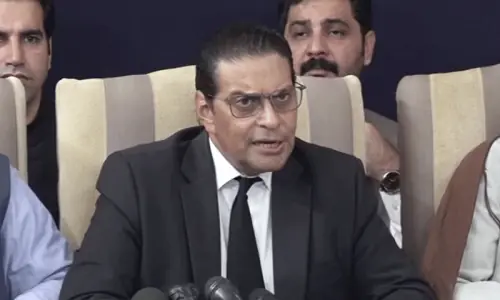
Addressing the Pakistan Minerals Investment Forum, Prime Minister Shehbaz Sharif said the country’s mineral wealth, “worth trillions of dollars”, could free its economy from perpetual dependency on frequent bailouts from global lenders. Pakistan has enough deposits of critical minerals to be a big economic player in its own right, says analyst Asim Sajjad Akhtar.
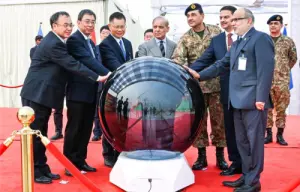
The optimism is further strengthened by the government’s emphasis on exporting semi-finished and finished mineral products rather than shipping raw materials abroad. No less than 16 memorandums of understanding and strategic agreements were stated to have been signed with national and international public and private sector partners. Worldwide experience, however, shows that it takes years of project development before cash starts flowing in the mining sector.
A Dawn editorial cautions that the agreements should be transparent and based on assessing the true value of the deposits. If the country is to truly benefit from its mineral wealth, it is also crucial to ensure that the policy and subsequent contracts under it cover the entire mineral value chain: the extraction of minerals to local processing and refining for production of the finished products for export.
The real challenge in transforming the mineral sector into a cornerstone of economic self-reliance lies in the business environment
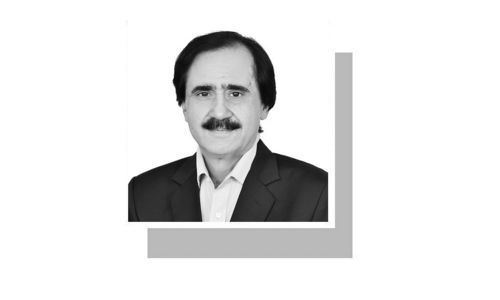
The mineral sector currently contributes only about 3.2 per cent to Pakistan’s GDP. The real challenge in transforming it into a cornerstone of economic self-reliance lies in the business environment, says analyst Durdana Najam.
Furthermore, analysts at Dawn emphasise that it must be ensured that the people of Balochistan and Khyber Pakhtunkhwa are given first priority in jobs and that the proceeds from the subsequent projects are spent on the welfare of the people. Unless the financial benefits accruing from the mineral projects are directed for the development of the province and its population, the perception, partly creating Baloch unrest, that the province’s resources are being used for the rest of the country rather than for Balochistan’s economic development, will not go away.
On April 10, Muzzammil Aslam, adviser to the KP chief minister, ruled out the possibility of giving control of mines and minerals to the federal government.
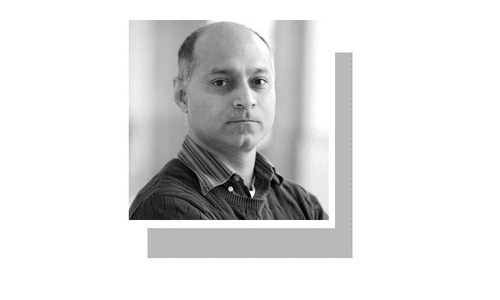
While pursuing a realistic mineral mine and policy framework, Pakistan must also keep in mind that US President Donald Trump’s tariff policy, to quote development policy thought leader Haroon Sharif, has only served to accelerate moves to a new economic order that will shape the contours of the global order and politics.
Pakistan will soon have a comprehensive, robust industrial policy that fosters export-led industrialisation, reduces import dependence and builds foreign exchange reserves, says Haroon Akhtar Khan, the prime minister’s special assistant for industries and production.
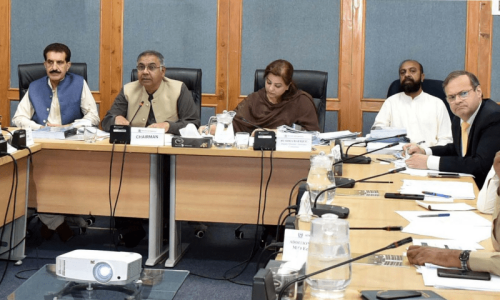
Moreover, the government accords the highest priority to increasing water storage and adding clean, green, and economically affordable hydel electricity to the national grid for providing cheaper electricity to the consumers and stabilising the national economy, Federal Minister for Water Resources Muhammad Moeen Wattoo told Water and Power Development Authority (Wapda) officials in a recent meeting.
Mr Wattoo expected Wapda to complete its projects on time. The Dasu Hydropower Project’s (Stage-1) estimated cost has ballooned from Rs479 billion in 2014 — with an original completion target of December 2019 — to Rs1.74 trillion, with the new completion date pushed to November 2028. Despite years of planning for this project, land acquisition and resettlement remain incomplete, according to the Public Accounts Committee (PAC), which on April 15 also highlighted the glaring inefficiencies and massive financial mismanagement in key national hydropower projects. PAC also expressed concern over changes in the scope of the Dasu Project that had led to a significant increase in contract cost.
The Wapda officials informed the meeting that the projects under construction scheduled for completion in a phased manner from 2026 to 2030 will double the hydel generation from 9,500 MW to 19,500 MW with the addition of about 10,000 MW of clean, green and low-cost hydel electricity to the national grid.
However, there is also a strong need and opportunity to step up the building of small dams that have proven effective for poverty alleviation and can be completed in a much shorter time with much smaller investments.
A statement by the KP government said in July 2024 that 30 more small dams would be completed soon at a cost of Rs43.6bn. Chief Minister Ali Amin Gandapur has directed relevant officials to accelerate work on small dams and directed the treasury department to release the required funds. He also ordered the appointment of two more directors and other staff to enhance the capabilities of small dams’ directorate for timely project completion.
In October 2024, the Sindh government announced that it had constructed 22 small dams in various parts of Sindh which are not only supplying water to irrigate barren land but also recharging underground water and supplying drinking water to remote areas.
Of the 100 dams planned by the Federation across Balochistan, 64 have been built. Unfortunately, some 25-30 of these dams were reportedly destroyed in the floods of 2022, and delays in construction of remaining dams have also occurred since then.
Published in Dawn, The Business and Finance Weekly, April 21st, 2025