Pakistan envoy hails Pak-Afghan coordination body revival after 15-month gap with new talks



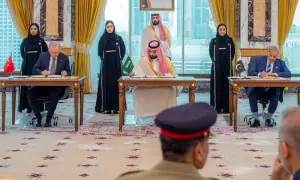
Pakistan’s special envoy for Afghanistan, Ambassador Muhammad Sadiq, hailed the revival of the Joint Coordination Committee (JCC) between the two countries with its seventh meeting on Wednesday after a 15-month pause.
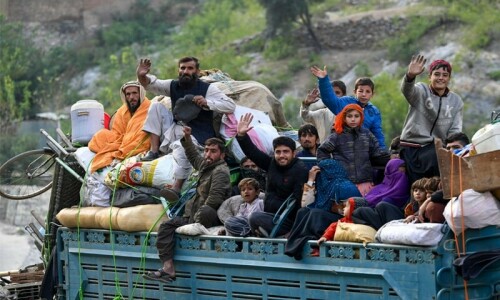
The meeting comes in the light of rising tensions between the two countries, with Afghan refugee deportations, skirmishes along the border, and the increased activity of armed groups within Pakistan since the Taliban takeover of Afghanistan in 2021. Pakistan maintains that these armed groups operate from within Afghan soil, a claim that Afghan officials have denied, maintaining that no one can use Afghan soil against any country.
The last JCC meeting was held in Islamabad in early January 2024.
In a post on X today after the meeting, Sadiq said the JCC was a vital platform for addressing sensitive and strategic issues.
“Regular and sustained engagement through such mechanisms is essential to ease tensions, dispel doubts and strengthen mutual understanding in bilateral ties.”

A statement from the Afghan foreign ministry said Foreign Minister Amir Muttaqi stressed that the two countries should resolve their issues through dialogue in an atmosphere of trust, and refrain from all actions and statements that caused resentment and incitement of the people.
“The foreign minister spoke in detail about the current situation in Afghanistan-Pakistan relations and a number of issues between the two countries, especially the recent forced deportation of Afghan refugees,” the statement said.
It added that at the end of the meeting, both sides considered it necessary to continue such engagements.
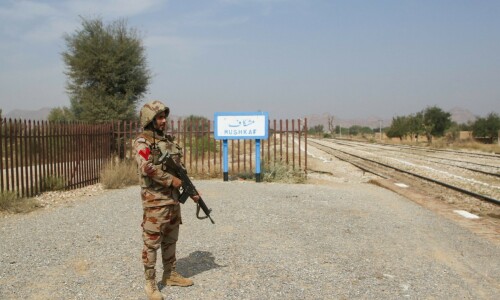
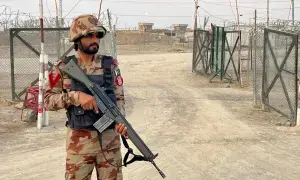
Last month, Pakistan and Afghan Taliban forces exchanged fire following the closure of the Torkham border crossing over the construction of posts.
Following this development, a Pakistan and Afghan Jirga brokered a deal that led to the reopening of Torkham on March 19 after 27 days.
Head of the Pakistani jirga, Syed Jawad Hussain Kazmi told Dawn.com last month that the JCC would discuss whatever the Jirga had decided, including a ceasefire till April 15.
Both sides have agreed to stop construction of the controversial check posts, he added.
Pakistani officials cite the issue of the banned Tehreek-i-Taliban Pakistan (TTP) and other armed groups as a major hurdle in the Pak-Afghan relationship.
Further, the Foreign Office revealed last month that the terrorists behind the Jaffar Express hijacking had Afghan connections, with phone records traced to Afghanistan.
The Afghan Taliban claim that militants of the Islamic State-Khorasan Province (Daesh) enter Afghanistan from Balochistan and Khyber Pakhtunkhwa. Pakistani officials have labelled these claims as baseless.