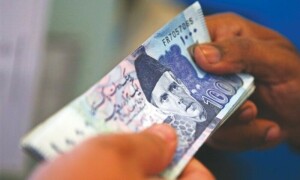
THERE are losses and then some. The finance ministry’s latest overview of the federally owned state enterprises shows that most SOEs keep haemorrhaging at the expense of taxpayers, the economic infrastructure, and crucial public services such as healthcare, education, clean water supply and sanitation. The report reveals that the aggregate losses of several SOEs, particularly those operating in the power and infrastructure sectors, rose to Rs851bn in FY24, with their total debt surging to Rs9.2tr, nearly equalling the tax revenues collected by the FBR for that year. The losses include government assistance of Rs782bn in subsidies and Rs367bn in grants added to their revenues. Some like the Pakistan Steel Mills are incurring losses, while waiting to be sold or liquidated for the past many years. Others such as the Railways and the national carrier are bleeding just to remain operational. The SOEs’ accumulated losses stand at a colossal Rs5.75tr. Most losses have accrued in the past 10 years alone. Not all SOEs are suffering losses. Some, like those in the business of oil and gas, insurance and power generation made a cumulative profit of Rs820bn.
The statement that the loss-making state enterprises have become a big burden on the budget and a major risk to fiscal stability does not even begin to capture the full threat that these SOEs pose to an already teetering economy. The government subsidies, grants, loans, and equity injections totalling Rs1.59tr — equal to 13pc of the federal budget receipts and significantly greater than the federal development programme — are enough to show the monsters they have become. Multiple half-hearted, botched attempts in the past to restructure essential and sell off non-essential SOEs underline the lack of political will to fix or part with them because of the easy, large rents they produce for politicians and bureaucrats. The way the privatisation of PIA was structured last year to keep out serious bidders from the process, and the failed maiden attempt to sell off its majority share reflects the entrenched financial interests of both politicians and the bureaucracy in maintaining the status quo to keep drawing rent out of the SOEs. But for how long? With government resources thinning by the day and pressure by multilateral lenders increasing, we are left with no option but to reconsider our policy on SOEs. It is only a matter of time before these would have to be liquidated, sold, or fixed.
Published in Dawn, February 21st, 2025