ISLAMABAD: Environmental samples collected from 26 districts have confirmed the presence of wild poliovirus type 1 (WPV1) in those areas.
An official of the Regional Reference Laboratory for Polio Eradication said sewage samples were collected from Badin, Ghotki, Hyderabad, Jacobabad, Kambar, Karachi Central, Karachi East, Karachi Korangi, Karachi Malir, Karachi South, Karachi West, Karachi Keamari, Mirpurkhas, Sujawal, Sukkur, Abbottabad, Bajaur, D.I. Khan, Lakki Marwat, Peshawar, Chaman, Loralai, Quetta, Lahore, Multan and Rawalpindi.
Sewage samples collected from Thatta, Umerkot, Khairpur, Tando Allah Yar, Tando Muhammad Khan, Noshero Feroze and Lakki Marwat districts also tested positive for WPV1 last month.
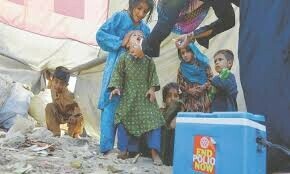
Positive sewage samples indicate the presence of poliovirus in the area, putting children at risk of contracting the crippling disease. Pakistan is one of the last two countries in the world, alongside Afghanistan, where polio remains endemic.
Officials say that Pakistan has been responding to a “significant resurgence of WPV1”. Last year, the country reported 73 cases of the disease. Of these, 27 are from Balochistan, 22 from Khyber Pakhtunkhwa, 22 from Sindh and one each from Punjab and Islamabad,“ he added.
Despite global efforts to eradicate the virus, challenges such as security issues, vaccine hesitancy, and misinformation have slowed progress.
This year’s first nationwide polio vaccination campaign will start on Monday and will continue for a week.
Last month, global experts and organisations working on polio eradication met federal and provincial government officials in Islamabad to review the eradication programme.
The three-day meeting of the Technical Advisory Group (TAG) brought together experts from the WHO, Unicef, CDC, Gates Foundation, Rotary International, GAVI, and USAID, according to the Pakistan Polio Eradication Programme.
The meeting reiterated the commitment to polio eradication. It said that adequate support for polio teams and full immunisation coverage, especially in the most affected areas, were crucial to eradicating polio in 2025.
Published in Dawn, February 2nd, 2025