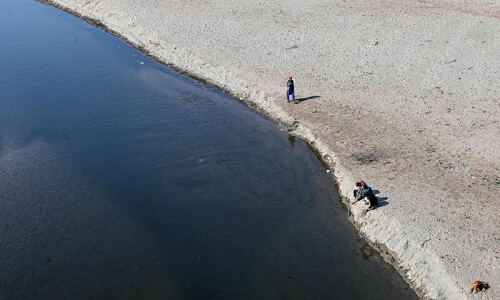
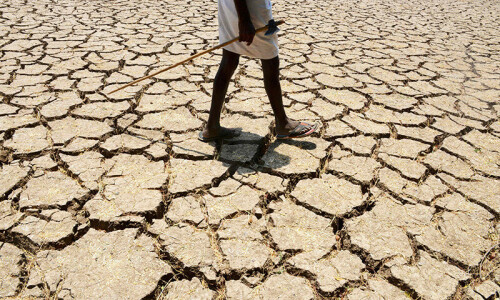
ISLAMABAD: Pakistan’s ongoing drought, which has hampered winter sowing, is part of a troubling trend of increasing climate variability and threatens to disrupt agriculture, exacerbate water shortages, and increase the risk of future droughts.
Muhammad Saleem Shaikh, a spokesperson for the Ministry of Climate Change and Environmental Coordination, highlighted these challenges in a press statement on Sunday. He emphasised that building water reservoirs, restoring wetlands, and promoting drought-tolerant crops were vital strategies to combat drought. “The country is currently experiencing an unusual winter drought, with rainfall between September 2024 and January 2025 approximately 40 per cent below normal levels,” said Saleem Shaikh.
“This has jeopardised the productivity of winter crops and the livelihoods of farming communities, particularly in rain-fed regions.” The lack of rainfall has worsened water stress across cultivated lands in Punjab, Sindh, Balochistan, and other regions, with limited irrigation supplies for Rabi crops. Mr Shaikh warned that if rainfall did not improve soon, wheat production could decline by as much as 50 per cent. Reduced water availability was already affecting key crops like wheat and potatoes, leading to fears of lower yields, rising food prices, and potential shortages in the near future.
The official called for a unified response to address Pakistan’s water crisis, stressing that collaboration among stakeholders is crucial to building resilience, securing livelihoods, and ensuring sustainable water management. He noted that Pakistan’s socioeconomic challenges make it particularly vulnerable to increasing temperatures, erratic rainfall, and frequent droughts, as outlined in the National Climate Change Policy.
“Large-scale infrastructure projects, such as constructing water reservoirs and restoring wetlands to store excess rain and floodwater, are essential components of a comprehensive drought mitigation strategy,” he said. However, he cautioned that these efforts must be accompanied by investments in water conservation and modern irrigation technologies, with a focus on educating farmers about their implementation.
Spokesperson claims wheat production may decline by 50pc without rainfall
Pakistan was home to 225 nationally significant wetlands, covering 9.7 per cent of its land area. 19 of these wetlands were Ramsar sites, recognised globally for their ecological importance. Unfortunately, many had been degraded or encroached upon, he added. “Restoring and sustainably managing these wetlands is a critical step not only for mitigating drought and flood risks but also for addressing water security, preserving biodiversity, and building resilience against climate change,” he explained.
Saleem Shaikh also highlighted the importance of rainwater harvesting, groundwater recharge, and adopting modern irrigation techniques, such as drip and sprinkler systems. “Tackling the growing risk of droughts is not an insurmountable challenge if federal and provincial authorities, along with agricultural and irrigation organisations, work together to implement these measures in true spirit,” he said.
Published in Dawn, January 27th, 2025