Drought in Punjab dents winter harvest


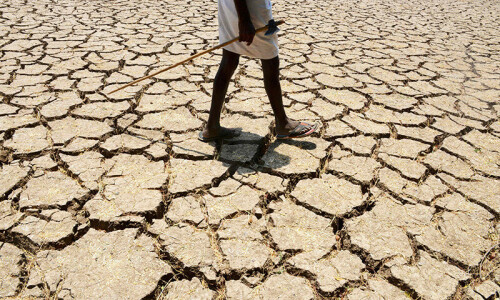
A winter drought is ravaging crops in Punjab, farmers said on Thursday, with the region parched by a 40 per cent drop in rainfall.
Pakistan ranks among the countries most vulnerable to the effects of climate change, which scientists say is making extreme weather events more common and more severe.
The Pakistan Meteorological Department (PMD) says Punjab saw 42pc less rainfall than normal between the start of September and mid-January.
“The lack of rains has had a major financial impact on farmers, whether they have a big holding or a small one,” Punjab Fruit and Vegetable Exporters Association Chairman Malik Asghar told AFP.
“Potato is a staple in my area. The average is very low this year. Usually, we could easily get 100 to 120 sacks per acre. This winter we have only gotten about 60 sacks per acre.”
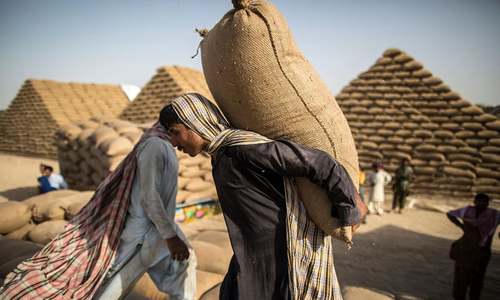
The agriculture sector contributes nearly a quarter of Pakistan’s GDP and employs 37pc of the national labour force, according to the UN’s Food and Agriculture Organisation.

But Asghar said many small farmers “were already giving up” and looking for employment elsewhere. “This spell of dry weather will have a very adverse reaction on them,” he said.
Sindh witnessed rainfall 52pc below normal levels according to the PMD, while Balochistan saw a 45pc drop.
“Mild drought” prevailed in most of Punjab, all of Sindh and around half of Balochistan in January according to the PMD, which predicted rapidly onsetting “flash droughts” in the warmer months to come.
Wheat farmer Ishfaq Ahmad Jatt said his harvest in Multan was “badly affected” by the dearth of rain. “Even five years ago we used to get winter rains for a week at a time. They were light rains but they were enough for us,” the 45-year-old said.
“If it doesn’t rain soon, you can expect production to drop by as much as 50pc.”
Pakistan generally relies on water from the Indus River, but analysts say a fast-growing population, climate change and poor resource management with an overreliance on a single water source are all spurring scarcity.
The drought comes less than three years after record monsoon rains caused devastating floods that left nearly a third of the country under water.
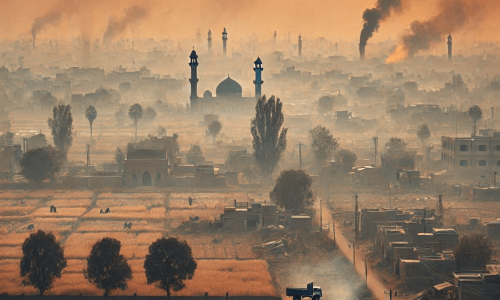
The country also suffers from choking smog in the winter season, caused by poor quality vehicle fuel and farmers burning off crop remnants, with cold weather trapping pollution close to the ground.
Rain typically offers temporary reprieve by dampening down airborne particles, but the dry weather has seen Punjab blanketed by smog with hazardous health effects.