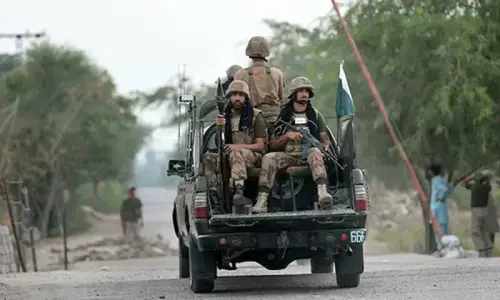
THE human cost of terrorism in 2024 was staggering. The ISPR reports 383 officers and soldiers embraced martyrdom while neutralising 925 terrorists through nearly 60,000 intelligence-based operations.
When combined with losses among civil law enforcement, the total toll on security personnel reaches 685 lives lost across 444 terror attacks, according to CRSS, making it the deadliest year in a decade for those defending our front lines. And these are besides the civilian casualties. The concentration of these casualties in KP and Balochistan, accounting for 94pc of all fatalities, points to the particular vulnerability of our western borderlands. The sharp upward trend in violence since 2021, coinciding with the Taliban’s takeover of Afghanistan, suggests that militant groups have not only regrouped but have also enhanced their operational capabilities.
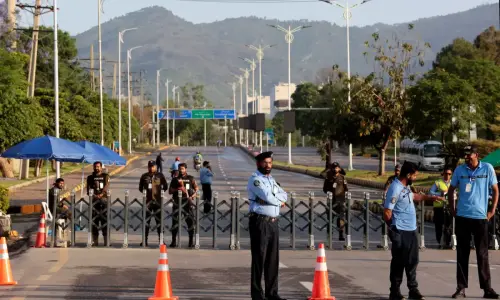
This resurgence demands an urgent reassessment of our counterterrorism strategy. Despite the initiation of Operation Azm-i-Istehkam earlier last year, aimed at reinforcing CT efforts, the persistent and escalating attacks indicate that existing measures are insufficient. The state’s strategy appears reactive rather than proactive, often limited to immediate kinetic responses post-attacks, allowing militants to regroup and strike anew.
A paradigm shift is imperative. The formation of specialised CT units within the military and police, trained to combat asymmetrical warfare, is essential to dismantle the evolving strategies of terrorist groups. In addition, our intelligence apparatus must be strengthened to prevent attacks rather than merely responding to them. The repatriation of ‘illegal Afghan nationals’ may mark a positive step in border management, but more steps are needed to deny militants trans-border hideouts. It is vital to engage with our neighbours to address the cross-border sanctuaries of militant groups. While the onus of securing our territory lies with us, regional cooperation can play a pivotal role in dismantling terrorist networks operating across borders.
Furthermore, addressing the socioeconomic disenfranchisement in regions like KP and Balochistan is crucial. Economic development, education, and infrastructure improvements can serve as bulwarks against the spread of extremist ideologies. Engaging local communities in dialogue and development initiatives will foster trust and cooperation, undermining the influence of terrorist groups. The sacrifices of our security personnel necessitate decisive and sustained action. Let 2025 be marked with the resolve to end the spectre of terrorism. There has been too much bloodletting.
Published in Dawn, January 1st, 2025