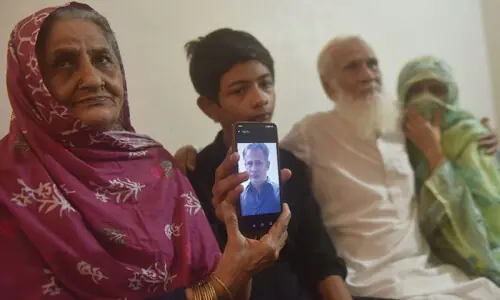
HUMAN trafficking continues to remain an area where the state has utterly failed its citizens. While global partnerships — the likes of those with the US embassy and various NGOs — have strived over the years to combat this menace, Pakistan’s own efforts have been lacklustre to say the least. The numbers tell a sombre story: thousands are trafficked annually, yet convictions remain negligible. In 2023 alone, out of over 18,000 cases investigated, a mere 10 convictions were secured. When the FIA reports arresting 109 traffickers in the Gujranwala region alone in a single month, it shows the scale of this human rights crisis. The 2024 US State Department trafficking report highlights that for the fifth consecutive year, no significant action was taken against officials complicit in trafficking crimes. This culture of impunity allows traffickers to operate with near-total freedom, often using their ill-gotten wealth to bribe their way out of justice. The situation is further worsened by legal loopholes. The 2018 Prevention of Trafficking in Persons Act, despite amendments, continues to allow fines instead of imprisonment, weakening its deterrence. Law-enforcement agencies lack specialised training and resources to dismantle sophisticated trafficking networks, which often operate transnationally. Recent cases of human smugglers exploiting air routes and holding migrants for ransom underscore the evolving tactics of these networks.
Socioeconomic challenges such as poverty, gender inequality, and illiteracy make individuals easy prey for criminal enterprises. These factors are exploited to force such people into bonded labour and sex work, or lure them into illegal migration schemes. Women and children suffer the most, enduring unspeakable abuse. Despite some efforts by the FIA and NGOs such as SSDO, the state needs to do much more. Until there is genuine political will through sustained enforcement and corruption-free implementation of anti-trafficking measures, vulnerable citizens will continue to fall prey to this modern-day slave trade. This includes empowering the FIA, ensuring accountability of complicit officials, and implementing robust victim rehabilitation programmes. The scale and brutality of human trafficking should outrage society, yet public awareness is low. The government must take the lead in raising consciousness and fostering a zero-tolerance approach to trafficking. Pakistan’s failure to address this issue has not only tarnished its global image but also undermined the rights of its citizens. Silence and inaction are no longer options.
Published in Dawn, December 7th, 2024