0
0

FOR the people of Sindh, the Indus is more than just a river; it is the lifeblood that flows through their homes, their fields, and their hearts, supplying nourish-ment and survival in ways nothing else can. However, the construction of additional canals on the Indus threatens the environment and the livelihoods of the vulnerable people of Sindh.
These projects, being executed without proper environmental assessments or community consultation, could mean destruction for the province.
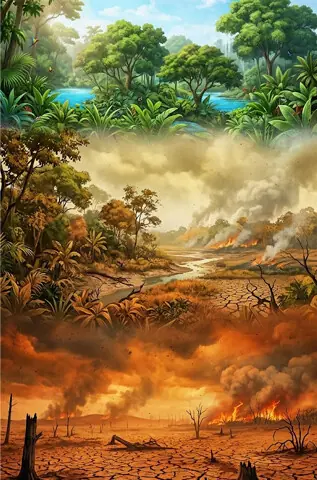
For centuries, the Indus has shaped the cultural, economic and agricultural lands of Sindh. However, the continued diversion of its waters through the construction of new canals poses an alarming threat. These canals, intended to expand agricultural land and feeding development projects in other regions, are depleting the already scarce flow of river. The repercussions are grave: increasing salinity in the soil, destruction of fertile farmland, and escalating water scarcity that affects both humans and wildlife.
Surpassing environmental degradation, these projects also endanger the social structure of Sindh. Farmers, fishermen and rural communities that rely on the river for their sustenance face displacement and economic hardship. The domino effects of this are felt the hardest by women and children, who are unduly impacted by environmental crises. Access to clean water becomes scarcer, food insecurity worsens, and health risks increase. These are the factors that deepen the already substantial gender and economic inequalities in the province.
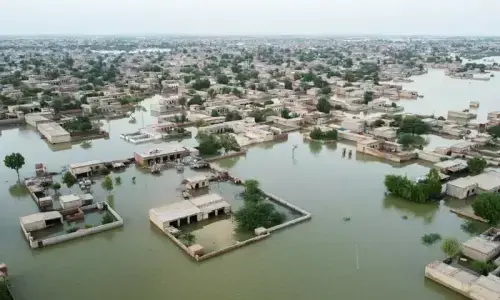
Research has shown that lower riparian regions of Sindh are already suffering from reduced water flows, leading to the intrusion of seawater, which destroys agricultural land and freshwater supplies. The construction of more canals will exacerbate this situation, further endangering both the environment and the livelihoods of millions. We cannot take lightly the critically serious consequences of uncontrolled canal expansion that include soil erosion, habitat destruction, and irreversible harm to ecosystems that have thrived for millennia.
It is time for the policymakers sitting in the federal capital to recognise that short-term gains in one sector cannot justify the long-term losses for the people and ecology of an entire province.
The provincial and federal governments should immediately stop any further canal construction on the Indus River. We must establish sustainable water management, ensure that local commu- nities are involved in decision-making processes, and enforce more stringent environmental regulations that protect this critical natural resource.
An immediate action is necessary, or we will regret it later. We ought to protect the Indus River together for the sake of our future generations, our economy, and, indeed, for our ecological balance.
Muhammad Shahjahan Memon
Islamabad
Published in Dawn, November 11th, 2024