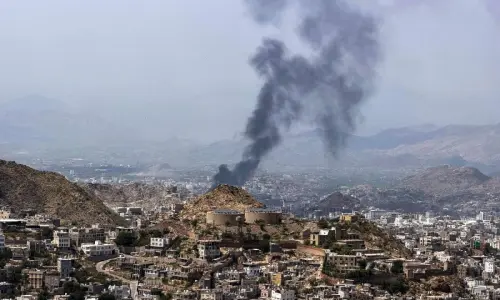
WITH Lahore experiencing unprecedented levels of smog, the Punjab government has announced a series of “green lockdowns” in the city’s identified smog hotspots. These measures include limiting construction, banning open-air barbecues, restricting high-emission vehicles, and mandating early closures for marriage halls. While such actions reflect commendable intent, air quality experts argue they fall short, especially given Lahore’s recent AQI readings, which peaked at 708. The WHO recommended maximum for healthy air is 50. The situation poses grave respiratory and cardiovascular risks to vulnerable populations, besides causing reduced productivity. The chief minister’s appeal for cross-border cooperation with Indian Punjab offers a pragmatic approach. Pollutant-carrying winds know no borders and collaboration is essential to address this shared crisis. Both sides must implement stricter emission controls and engage in joint monitoring efforts to better manage smog.
Crop stubble burning exacerbates this challenge. Despite fines and arrests of farmers on both sides of the border, limited field-clearing alternatives force many to continue this practice. Efforts by India to subsidise residue management machinery like super-seeders are a step forward, yet the outreach and affordability of these options are inadequate. Real, sustainable support for farmers is necessary, encompassing access to affordable equipment, training, and incentives. Moreover, the government should focus on building a robust network of air quality monitoring stations, especially given the inconsistencies in current AQI reporting. Expanding Lahore’s green cover through more urban forests would also play a significant role in combating air pollution long-term. Additionally, accelerating the transition to clean energy, subsidising EVs, and enhancing public transport could make substantial differences. At the same time, an extensive public awareness campaign on reducing individual contributions to smog — such as minimising the use of private vehicles and avoiding open-air fires — can bolster efforts in tackling the threat. Only unified action can lift the smog choking our future.
Published in Dawn, November 1st, 2024