0
0

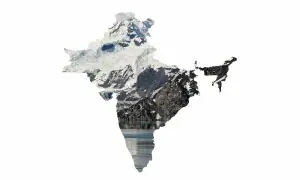
The World Bank raised its growth forecast for South Asia to 6.4 per cent in 2024 from an earlier estimate of 6.0pc, citing quicker recoveries in crisis-hit countries such as Sri Lanka and Pakistan and the strength of domestic demand in India.
“You have an emerging class of consumers in India that’s driving the economy forward, you have recoveries from crises in Sri Lanka and in Pakistan, you also have a tourism-led recovery in Nepal and Bhutan,” Martin Raiser, World Bank Vice President for South Asia, told Reuters.
The World Bank projected Pakistan’s economy would grow by 2.8pc in the current fiscal year, which started in July, an increase from the previous estimate of 2.3pc, aided by a recovery in manufacturing and easing monetary policy.
The upward revision confirms South Asia as the fastest growing emerging economy region monitored by the World Bank. The Washington-based lender projects South Asia will see robust 6.2pc growth annually for the following two years.
Raiser said there was “significant upside potential” to growth with greater integration of South Asian countries into the global economy, but countries needed to stick with economic reform programmes to sustain momentum.
India’s economic growth forecast for the current fiscal year, ending in March 2025, was revised to 7pc year-on-year, up from April’s estimate of 6.6pc, helped by a rebound in agricultural output and increased private consumption.
On Wednesday, India’s central bank maintained its GDP growth forecast at 7.2pc for the current fiscal year and shifted its policy stance to neutral.
Sri Lanka, which is clawing its way out of a sovereign debt default and its worst economic crisis in decades, saw the biggest upward revision, with growth expected to come in at 4.4pc this year and 3.5pc in 2025.
Nepal’s growth forecast was raised to 5.1pc from 4.6pc for the 2024/25 fiscal year beginning mid-July, and Bhutan’s to 7.2pc from 5.7pc.
But Bangladesh’s growth forecast was downgraded to 4.0pc from 5.7pc for the fiscal year 2024/25, spanning from July to June, reflecting a slowdown in garment exports amid recent social unrest.
The World Bank recommended the region should boost womens labour force participation - currently the lowest globally at 32pc. Raising employment among women to levels comparable to those among men could raise output by as much as one-half in the long term, the report said.
“Bringing more women into the labour force could add significantly to the production potential,” said Raiser.