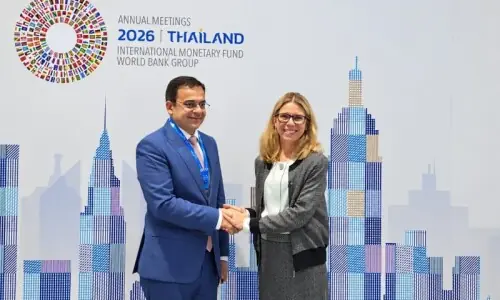
ISLAMABAD:The federal and provincial governments must develop clear regulations that suit their local context to better integrate informal waste workers into formal waste management system, a senior urban development specialist of Asian Development Bank (ADB) proposed.
The specialist in the water and urban development sector of ADB resident mission in Islamabad, Xijie Lu further suggested that these rules should ensure the regulations reach the grassroots level are effective.
Making observations on the prevailing situation, the ADB official said collaborating with NGOs and social enterprises can elevate the visibility of waste workers and offer them legal recognition. Establishing an Informal Waste Workers Association is a key step, allowing workers access to training, financial literacy, and hazardous waste management programmes.
Governments should also include waste workers in social safety nets by issuing special ID cards for health insurance and pension benefits.
To further support informal waste workers, access to loans through microfinance organisations, tied to conditions such as enrolling children in school, is essential.
Financial incentives like tax benefits and performance-based subsidies can encourage waste workers and businesses to participate in formal systems. Additionally, public toilets, quarterly medical camps, and improved access to capital and equipment will enhance their working conditions.
The provincial governments should formalise middlemen, registering scrap dealers through chambers of commerce, to increase accountability and promote transparency. This strategy encourages fair competition and ensures the responsible sale of sorted waste to industries.Efforts are underwayto develop these and other options for the integration of formal and informal solid waste management service providers.
Working with the public sector to acknowledge and support the informal sector seeks to incorporate them into the broader waste management framework, ensuring a more inclusive and sustainable approach to waste management in the city, he said.
Working in the Pakistan Resident Mission, Xijie is the country focal of Pakistan for ADB’s urban operations, and according to him, sustainable practices and community involvement in waste management can have a positive impact on the health and well-being of future generations and on the environment.
“My hope is that one day when I visit Pakistan and walk the streets of Pakistan’s cities, I find vibrant markets free from litter, parks filled with families enjoying the outdoors, and neighbourhoods taking pride in their surroundings,” he emphasized.
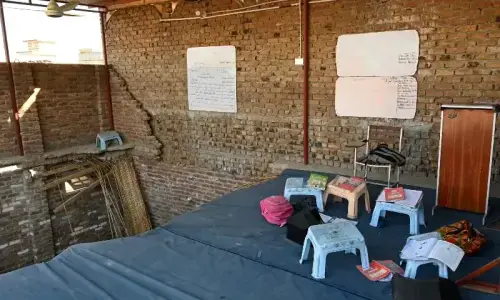
In Pakistan, informal waste “pickers” provide essential services yet face social stigma and limited support. Tailored regulations, social safety nets, and collaboration between governments, NGOs, and microfinance institutions are needed to integrate these workers into formal systems.
“Within my first few months of living in Pakistan as an out-posted staff, I came face-to-face with the reality of waste management in the country,” he narrated his experience.
Most cities, he observed,have no waste segregation, no waste reduction programme at the source, no formal recycling, and no comprehensive solid waste management strategy. To complicate matters, citizen awareness of proper waste disposal is low, with most collected waste ending up in uncontrolled, unsanitary dump sites.
“As I became more immersed in the solid waste management sector, the dynamics of this reality struck me in a different light,” ADB expert said.
Xijie Lu said in the absence of public systems supporting segregation at the source, informal waste pickers are doing most of the collecting, sorting and processing of recyclable waste.
Moreover, the social, economic, and environmental value of the service they provide is not only undervalued but continues to be constrained by regressive public policies, he added.
Published in Dawn, September 22nd, 2024