ISLAMABAD: The Ministry of National Health Services (NHS) on Monday claimed that the mpox virus was under control in Pakistan as the country has reported only two cases since the disease was declared a global emergency earlier this month.
A ministry’s spokesperson has claimed that screening of suspected patients is being done across the country, and those showing symptoms are being sent to isolation wards in hospitals to avoid local transmission of the virus.
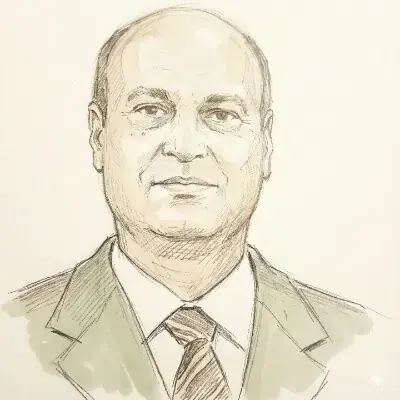
Sajid Shah, the spokesperson, said the federal government is strictly monitoring the situation, and Health Secretary Nadeem Mehbub was “himself visiting airports to monitor the situation”.
“Along with Islamabad International Airport, the health secretary has visited Peshawar and Lahore airports,” the spokesperson said.
WHO launches new strategy to stop human-to-human transmission of virus
On Monday, the secretary reviewed the arrangements for screening probable mpox patients at the Allama Iqbal International Airport, Lahore.
During his visit, the Border Health Services staff at the airport briefed the officials on the measures in place.
“The Border Health staff at airports is ensuring the effectiveness of the surveillance and screening systems,” said Mr Mahbub.
He emphasised that the guidelines provided by the World Health Organisation (WHO) were being strictly followed.
According to the secretary, the NHS ministry was “monitoring the situation daily”. “Pakistan’s disease surveillance system is very effective and robust.”
WHO launches new strategy
Also on Monday, the WHO launched a global Strategic Preparedness and Response Plan to stop the human-to-human transmission of mpox through coordinated global, regional, and national efforts.
The new strategy follows the declaration of a public health emergency of international concern by the WHO director-general on August 14.
“The plan covers the six-month period of September 2024-February 2025, envisioning a $135 million funding need for the response by WHO, member states, partners including Africa Centres for Disease Control and Prevention (Africa CDC), communities, and researchers, among others,” the global body said.
“A funding appeal for what WHO needs to deliver on the plan will be launched shortly,” it added.
The plan included ‘strategic vaccination’, which will focus on individuals at the highest risk, including close contacts of recent cases and healthcare workers, to interrupt transmission chains.
“The mpox outbreaks in the Democratic Republic of Congo and neighbouring countries can be controlled and stopped,” said Dr Tedros Adhanom Ghebreyesus, the WHO DG.
He added that stopping the transmission of the virus required a “comprehensive and coordinated plan of action” between international agencies and national and local partners, civil society, researchers and manufacturers, and WHO member states.
Published in Dawn, August 27th, 2024