ISLAMABAD: The increasing informality in Pakistan’s labour market, coupled with challenges surrounding labour migration, has highlighted the urgent need for enhanced regulation and protection for the country’s workforce, which is unregulated and unprotected.
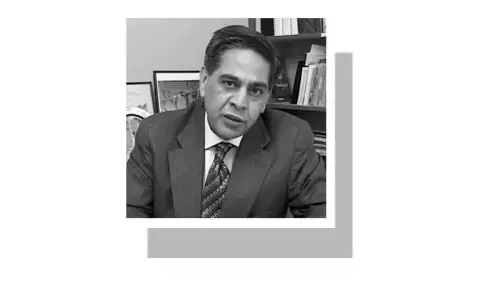
These issues were recently underscored by Geir Tonstol, country director for the International Labour Organization (ILO), during a discussion on Pakistan’s labour market dynamics.
According to sources in the Ministry of Overseas Pakistanis and Human Resource Development, the government was grappling with a rapidly growing unskilled labour force in a country of 250 million people. Despite having the fifth-largest population in the world, Pakistan ranked only ninth in its labour force size.
Talking to Dawn, Mr Tonstol warned that within the next four to five years, a large number of young people would enter the workforce, further straining an already underperforming economy and exacerbating unemployment.
Tonstol urges comprehensive policy to build skills to avoid losing competitive edge in the global market
One of the key concerns highlighted by Mr Tonstol was the migration of Pakistani workers abroad, many of whom were unskilled. He pointed out a diminishing demand for unskilled labour globally, as receiving countries required qualified workers, such as plumbers, electricians, and midwives.
“Without a comprehensive policy to build skills that align with the demands of these countries, Pakistan risks losing its competitive edge in the global labour market,” the ILO official said, noting that skilled workers could remit up to three times more than their unskilled counterparts, making the case for a stronger focus on skills development and safe, fair migration pathways.
Pakistan’s struggle to compete with countries like the Philippines, which provided more skilled labour, was compounded by the negative perception associated with the country’s history of uncertainties. The official stressed that this perception could affect various sectors, including textiles.
The ILO is actively working to address these issues by engaging with enterprises to improve productivity and competitiveness, and by linking them with foreign buyers but challenges persist due to the economic downturn, natural disasters, and political uncertainty in Pakistan over the recent years.
Nevertheless, Mr Tonstol expressed cautious optimism, noting that recent signs of stability could enhance the effectiveness of ILO programmes.
Pakistan’s preferential trade agreement with the European Union under the GSP Plus scheme offered significant benefits to textile producers, allowing them to export almost tariff-free to the EU. However, compliance with the 27 conditionalities, including eight related to international labour standards, was crucial. Non-compliance could result in the loss of these benefits, and the ILO was supporting enterprises to meet these requirements. Mr Tonstol acknowledged the challenges in implementing labour standards in Pakistan, where there was only one labour inspector for every 100,000 workers.
Despite Pakistan’s ratification of all eight core ILO conventions, issues, such as child labour, forced labour, and discrimination persist, particularly in the informal sector, which employs 72pc of the workforce.
The ILO official also highlighted the low female participation rate in Pakistan’s labour market, one of the lowest in the region. The official stressed the importance of social protection for the workforce, pointing out that only 9pc of workers in Pakistan had access to any form of social protection compared to the global average of 40pc.
The ILO is working with the government to promote safe and inclusive workplaces, free from harassment and violence, and to encourage greater female workforce participation. It also guides the government in addressing these critical labour issues, hoping to achieve sustainable economic growth.
Published in Dawn, August 12th, 2024