Large 7.1 earthquake recorded off Japan: USGS


A 7.1 magnitude tremor struck off southern Japan on Thursday, the United States Geological Survey (USGS) said, with the local meteorological agency warning of tsunamis striking coastal areas.
Initially, the USGS erroneously recorded two separate earthquakes, registering two tremors at 6.9 and 7.1 magnitude, respectively. The USGS acknowledged the error on its website, stating, “This event originally showed as two events in our event list. This error has been fixed. There was one event.”
Tsunamis of up to one metre were expected to arrive or have arrived in some coastal areas in Kyushu and Shikoku islands, broadcaster NHK reported.
“Tsunamis will strike repeatedly. Please do not enter the sea or approach the coast until the warning is lifted,” the Japan Meteorological Agency said on X. There were no immediate reports of any damage.
The USGS said that the first quake hit at 4:42 pm at a depth of 33 kilometres, about 29 kilometres southeast of Miyazaki on Kyushu.
The Japanese government set up a special task force in response to the quakes, according to a statement.
Sitting on top of four major tectonic plates along the western edge of the Pacific “Ring of Fire”, Japan is one of the world’s most tectonically active countries. The archipelago, home to around 125 million people, experiences around 1,500 jolts every year and accounts for around 18 per cent of the world’s earthquakes.
The vast majority are mild, although the damage they cause varies according to their location and the depth below the Earth’s surface at which they strike.
Still, even large quakes usually cause little damage thanks to special construction techniques and strict building regulations in the world’s number four economy.
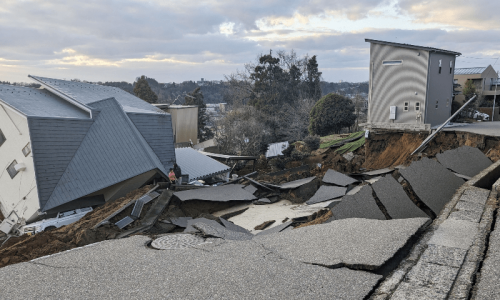
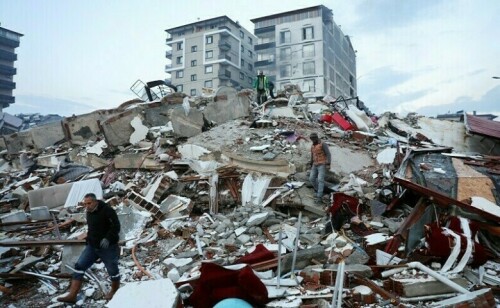
On New Year’s Day, at least 260 people died after a massive earthquake hit the peninsula, including 30 “quake-linked” deaths as well as those killed directly in the disaster.
The January 1 quake and its aftershocks toppled buildings, caused fires, and knocked out infrastructure at a time when families were celebrating the new year.
Japan has strict construction regulations intended to ensure buildings can withstand strong earthquakes and routinely holds emergency drills to prepare for a major jolt.
But the country is haunted by the memory of a massive 9.0-magnitude undersea quake off northeastern Japan in March 2011, which triggered a tsunami that left around 18,500 people dead or missing.
The 2011 tsunami also sent three reactors into meltdown at the Fukushima nuclear plant, causing Japan’s worst post-war disaster and the most serious nuclear accident since Chernobyl.
In March 2022, a 7.4-magnitude quake off the coast of Fukushima shook large areas of eastern Japan, killing three people.
The capital Tokyo was devastated by a huge earthquake a century ago in 1923.