A PERVASIVE gloom darkens the days of almost all working-class Pakistani households. From tea shops to opinion columns in local newspapers, the conversations reflect a growing unsettlement with the status quo. Most serious economists appear increasingly alarmed that Pakistan has sailed too deep into uncharted, treacherous waters. They worry that public mutiny may be inevitable unless there is an immediate course correction, of which there is no sign.
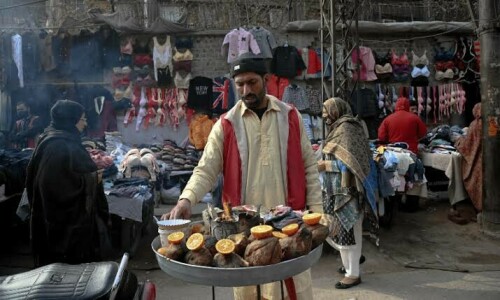
Meanwhile, on online discussion forums, increasing numbers of desperate mothers post queries for part-time jobs because they are no longer able to meet school fees and household expenses on one pay cheque. Heart-rending videos on social media document the desperation of street vendors, labourers, pensioners and widows as they struggle to balance their electricity bills and food expenses, while educated professionals are sharing anecdotes about the cutbacks they have been forced to implement as they wonder whether they will ever be able to get their quality of life back.
Is a life lived happily and respectably too much to ask for from your country? Many young citizens seem to believe so. A worryingly high proportion of the demographic wants nothing more than to leave. They would rather live and work anywhere than in Pakistan, which, they feel, undervalues their economic contributions, underappreciates their social needs, and suffocates them with arbitrary restrictions. The people responsible for their welfare do not care. They are too focused right now on ‘economic management’, which historically seems to entail little more than repeatedly selling to the IMF the idea that the Pakistani authorities are serious about getting the economy back on track. However, we have yet to see any attempt at meaningful reforms or a realisation that their efforts at ‘stabilising’ the economy are impoverishing millions and driving the young away.
Never before has Pakistan been tested with such severity of economic distress, nor has society ever been as demoralised as it appears now. This is not sensationalism; economists and historians agree it is a fact. It would appear, therefore, that the most serious challenge right now is restoring hope among the masses.
For starters, the unending political crisis must be resolved urgently. Prolonging it is only exacerbating feelings of despair about the country’s future. Secondly, taxation must be made vastly more equitable. A few million honest taxpayers should not be forced to foot the bill for the legislature and executive’s failure; it is highly demotivating for the most productive workers. Thirdly, the political leadership must provide the youth with a vision for a better tomorrow.
This does not mean promises of more motorbikes and laptops: there needs to be a bigger, more forward-looking plan in place that can help absorb millions of new entrants into the workforce in meaningful employment opportunities.
Published in Dawn, July 12th, 2024