Authorities in Russia’s mostly-Muslim North Caucasus region of Dagestan on Wednesday temporarily banned women from wearing the niqab, after simultaneous attacks targeting churches and synagogues killed 22 last month.
In a statement posted on the Telegram messenger app, the Dagestan Muftiate said it was introducing a “temporary” ban on the niqab after an appeal from Russia’s ministry of nationality policy and religious affairs.
Reports following the attacks on June 23 said one of the gunmen had planned to escape wearing a niqab.
The muftiate, a religious organisation representing Dagestani Muslims, said that the ban would remain in place “until the identified threats are eliminated and a new theological conclusion is reached”.
The niqab gained some popularity in Dagestan amid an Islamic revival in the region that followed the collapse of the Soviet Union in 1991. Though only a small minority of Dagestani women wear full-face veils, niqabs have been a common sight in the region’s larger cities.
Similar veils are banned by law in several European and post-Soviet countries.
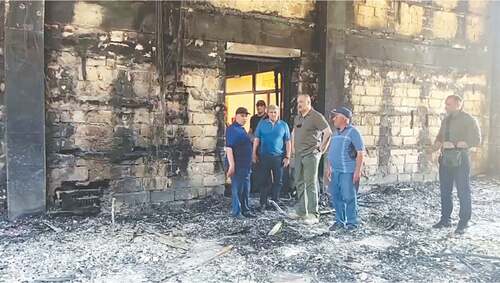
Twenty-two people were killed in simultaneous attacks on Orthodox churches, synagogues, and police checkpoints across Dagestan on June 23.
Security forces said they killed five attackers in gun battles that left a synagogue in the city of Derbent gutted by flames.
Dagestan was in the 2000s and 2010s plagued by an Islamist insurgency that spilled over from neighbouring Chechnya, though security in the region had improved in recent years.
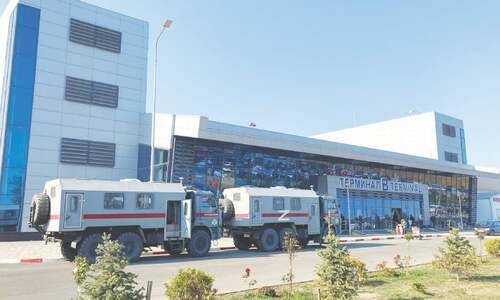
In October, an anti-Israeli mob stormed the airport in the Dagestani capital Makhachkala hunting for Israeli citizens and Jewish people arriving on a flight from Tel Aviv.
Five months later, 145 people were killed in a March attack on a Moscow concert hall that was claimed by the Central Asian affiliate of the militant Islamic State group. Russian authorities detained several Tajikistani nationals it said had staged the gun and bomb attack.