0
0
GENEVA: States aiming to pen a landmark global agreement, on handling future pandemics, began discussing how exactly to keep the process alive, as they ran out of time to seal a deal on Friday.
With chances of concluding an agreement by the end of the day slowly fading, negotiations turned to ‘what the next steps might be’.
They were ‘shaken’ by the failures exposed by the Covid-19 pandemic, which killed millions, shredded economies and crippled health systems. Since then, countries have spent two years drafting an international accord on pandemic prevention, preparedness and response.
Despite a common desire for binding commitments aimed at preventing another disaster of a similar scale, big differences emerged between country blocs on how to go about it. Though progress has been made on bridging the differences, the clock was always against them.
The World Health Organization’s 194 member states were “meant” to finish the process in March, so that the agreement could be formally adopted at their annual assembly session, starting on the 27 of May.
The additional fortnight of talks was crammed in, amid hopes of achieving a breakthrough. Countries did finally begin thrashing out text wording but could not get everything completed in time.
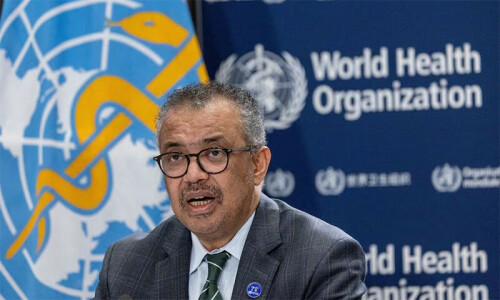
The talks are being held behind closed doors, at the WHO’s headquarters in Geneva. WHO chief, Tedros Adhanom Ghebreyesus, attended the talks in person along with the UN health agency’s emergencies director, Michael Ryan.
WHO spokeswoman, Margaret Harris, told a media briefing on Friday that the overtime round of talks “will end later today”. Fuelled by trolleys full of coffee, bananas, biscuits and sandwiches, negotiators have been pulling ‘12-hour days’ since April 29, to try and find a way through.
“During the past two weeks, negotiators have held extensive discussions on multiple aspects of the proposed agreement, meeting often into the early hours of the morning,” Harris said.
“Next steps on the way forward will be discussed today and they will be announced later.”
More time needed
Non-governmental organisations, deemed to be relevant stakeholders are able to follow the process outside the room and are briefed on a daily basis, by the talks’ co-chairs.
“Member states are discussing what the next steps will be,” Medicines Law and Policy director Ellen’t Hoen told reporters. ‘It’s fair to say there’s progress made. If you look at the outline of the agreement, all the important themes are there.
Published in Dawn, May 11th, 2024